
Overview
What is Hair Loss / Hair Thinning Treatment and who is it for?
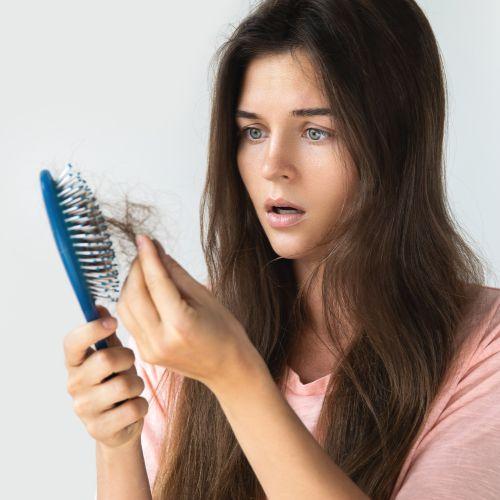
Losing 50 to 100 hairs a day is normal. When you notice clumps in the shower, a wider parting or more scalp showing under bright light, something has changed. The most common reasons are androgenetic alopecia (pattern hair loss in men and women), telogen effluvium (a temporary shedding phase after fever, surgery, childbirth, crash dieting or stress), alopecia areata (patchy loss linked to the immune system) and hair fall driven by thyroid problems, low iron, low vitamin D or PCOD.
Each of these behaves differently and needs a different approach. That is why a dermatologist starts with diagnosis rather than a product. Dr. Shilpa looks at your scalp and hair shafts closely, often using a dermoscope (trichoscopy), asks about your diet, medicines and recent health events, and may request blood tests such as thyroid profile, haemoglobin, ferritin, vitamin D and B12. Women with irregular periods or acne may also need hormone tests.
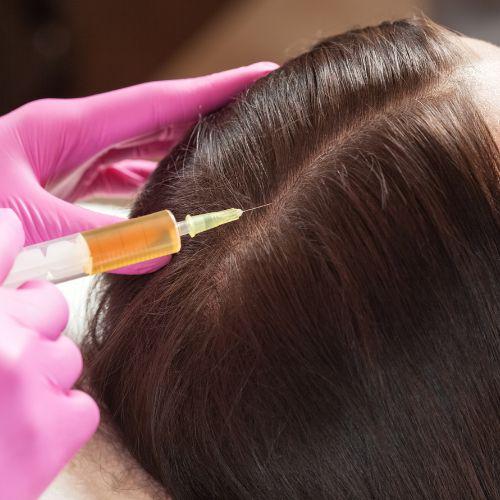
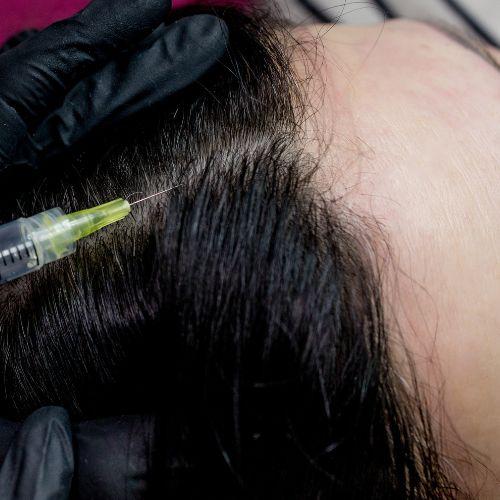
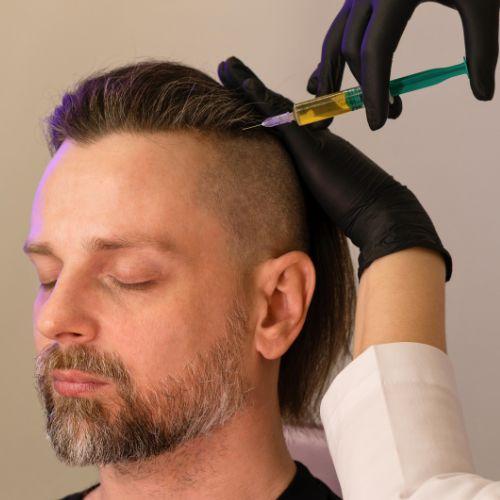
Treatment is then layered to suit you. It may include prescription lotions and oral medicines, correction of any deficiency, and in-clinic procedures such as PRP, GFC, mesotherapy or microneedling to support the follicles. Hair grows slowly, so progress is judged over months, and results differ from person to person. Dr. Shilpa reviews you at regular intervals and changes the plan if something is not working.
The procedure
What happens during the treatment?
- 1
Consultation and history
Dr. Shilpa asks about when the hair fall started, your diet, stress, medicines, periods (for women) and family history of thinning.
- 2
Scalp examination
Your scalp and hair are examined closely, often with a dermoscope, to see follicle health, miniaturised hairs and any scalp inflammation.
- 3
Blood tests where needed
Tests such as thyroid profile, haemoglobin, ferritin, vitamin D and B12, and hormone tests in some women, help rule out internal causes.
- 4
Your treatment plan
You receive a written plan that may combine medicines, supplements and in-clinic procedures, with clear follow-up dates to track progress.
Benefits
What are the benefits?
- You get a diagnosis, so you stop guessing with shampoos and oils.
- Internal causes like thyroid or iron problems are checked and treated.
- The plan is matched to your type of hair loss and how advanced it is.
- Medicines and in-clinic procedures can be combined when that suits you.
- Regular follow-ups let Dr. Shilpa adjust the plan based on how you respond.
Is it right for you?
This is for men and women of any age who are worried about hair fall, thinning or bald patches. It is especially useful if home remedies have not helped, if hair loss runs in your family or if you have PCOD, thyroid issues or recent illness. Pregnant and breastfeeding women can still be assessed, as some treatments are adjusted for them.
Aftercare
How should you care for your skin afterwards?
- 01Take prescribed medicines and supplements regularly, as stopping early often brings shedding back.
- 02Eat enough protein and iron-rich foods such as dal, eggs, greens and paneer.
- 03Use a mild shampoo and avoid tight hairstyles, harsh chemical treatments and frequent heat styling.
- 04Do not start new hair products or oils without checking with your doctor.
- 05Keep your follow-up appointments so progress can be measured and the plan updated.
FAQs
Frequently asked questions
Most people lose around 50 to 100 hairs a day as part of the normal growth cycle. You may notice more on wash days. It is worth seeing a dermatologist if you see clumps, a visibly wider parting, a receding hairline or patches, or if heavy shedding continues for more than two or three months.
This page is for general information and does not replace a medical consultation. Results vary from person to person.