
Overview
What is Laser Hair Reduction and who is it for?
Laser hair reduction uses a beam of light that is absorbed by the pigment (melanin) in the hair. The light turns into heat, which travels down the hair shaft and damages the follicle that produces it. Follicles in the active growth phase respond best, and since only a portion of hairs are growing at any one time, you need a series of sessions spaced several weeks apart to catch each one.
Indian skin, usually Fitzpatrick type III to V, also contains more melanin. That means the laser has to tell the difference between pigment in the hair and pigment in the skin. Dr. Shilpa uses longer pulse durations, careful energy levels and skin cooling for darker skin, which lowers the chance of burns or patchy darkening. A small patch test is done before your first full session, so the settings are checked on your own skin first.
The aim is long-term hair reduction, not complete removal. Most people see far less hair after a full course, and what grows back tends to be finer and lighter. Some regrowth over time is normal, especially with hormonal conditions such as PCOD, and occasional maintenance sessions keep things under control. Grey, white and very fine blonde hairs do not respond well because they lack pigment.
The procedure
What happens during the treatment?
- 1
Consultation and patch test
Dr. Shilpa checks your skin type, hair colour and medical history, asks about hormonal issues, and tests a small area to confirm the right settings.
- 2
Preparation
You shave the area a day before. On the day, the skin is cleaned and marked. Numbing cream is rarely needed but may be used on sensitive areas.
- 3
Laser session
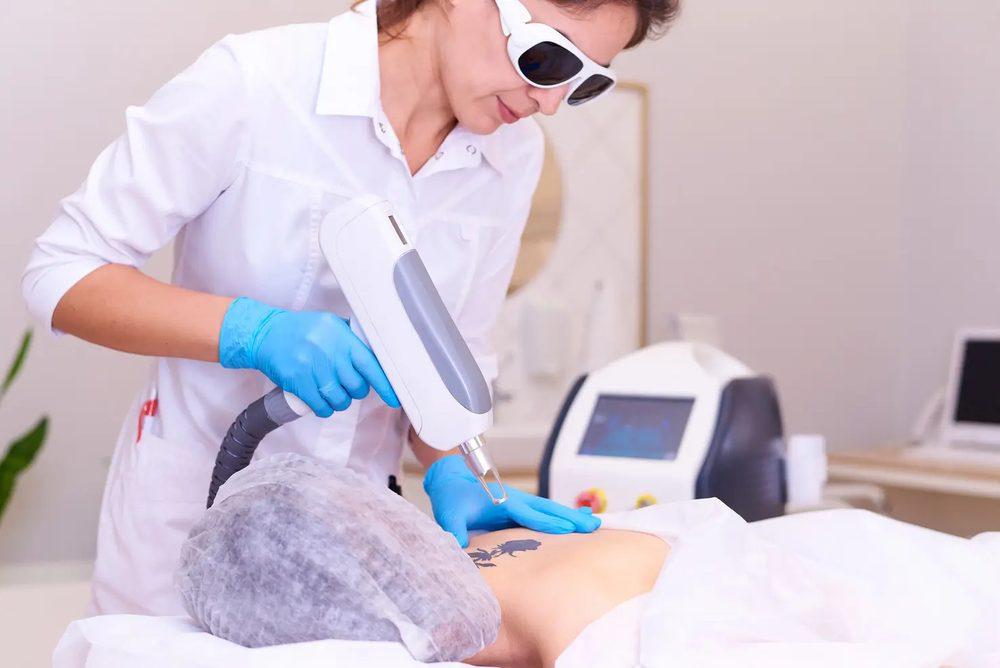
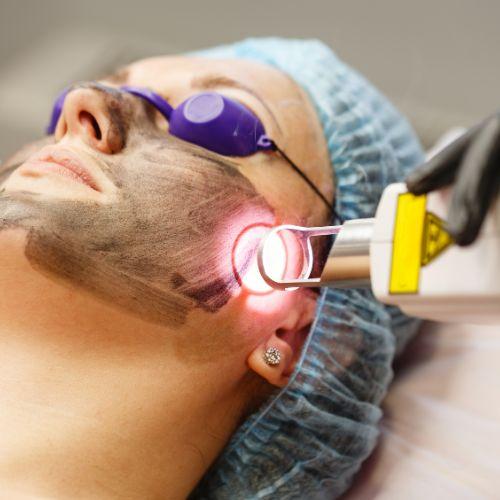
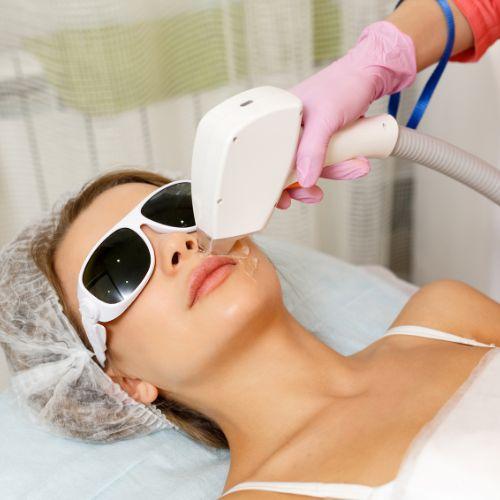
You wear protective eyewear. The handpiece is moved over the skin in passes, with cooling built in. Most people feel quick warm snaps, like a rubber band flick.
- 4
Soothing and follow-up
A calming gel and sunscreen are applied. Your next session is booked based on the hair growth cycle for that body area.
Benefits
What are the benefits?
- Hair grows back finer, lighter and slower after each session.
- Fewer ingrown hairs and razor bumps, especially on the beard line and bikini area.
- Settings are adjusted for Indian skin to lower the risk of pigmentation.
- Saves the time and discomfort of regular waxing and threading.
- Large areas such as legs and back can be treated in one sitting.
Is it right for you?
Laser hair reduction works best on dark hair, and with the right settings it can be used on most Indian skin tones. It is not suited to grey or white hair, and it is postponed during pregnancy, active skin infection or a recent tan. If you have PCOD or another hormonal cause, Dr. Shilpa may suggest treating that alongside the laser.
Aftercare
How should you care for your skin afterwards?
- 01Use a broad-spectrum sunscreen on treated areas every day.
- 02Avoid waxing, threading or plucking between sessions; shaving is fine.
- 03Skip hot showers, saunas and the gym for 24 hours.
- 04Do not apply scrubs, retinoids or perfumed products for 2-3 days.
- 05Stay out of direct sun and avoid tanning before and after sessions.
FAQs
Frequently asked questions
Most people describe it as quick, warm snaps on the skin, similar to a rubber band flick. The built-in cooling makes it more comfortable, and areas with thicker hair such as the underarms feel stronger than the arms. It is usually very tolerable, and numbing cream can be used on sensitive areas if needed.
This page is for general information and does not replace a medical consultation. Results vary from person to person.