
Overview
What is Melasma Treatment and who is it for?
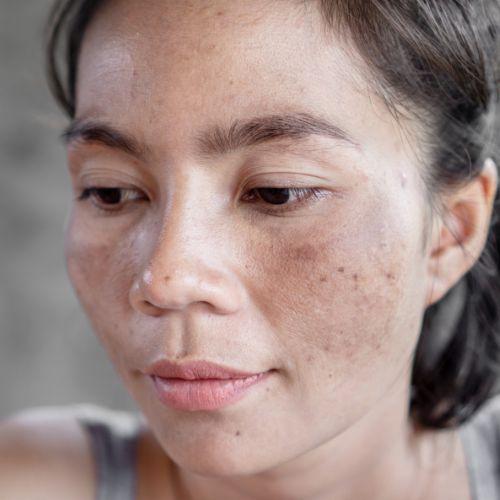
Melasma is a chronic pigment condition in which melanin-producing cells become overactive, mainly on the face. Sun exposure, visible light, heat, pregnancy, hormonal medicines and thyroid problems can all play a part, and it often runs in families. The patches are usually symmetrical and may be in the upper skin, deeper skin or both. Deeper melasma tends to fade more slowly.
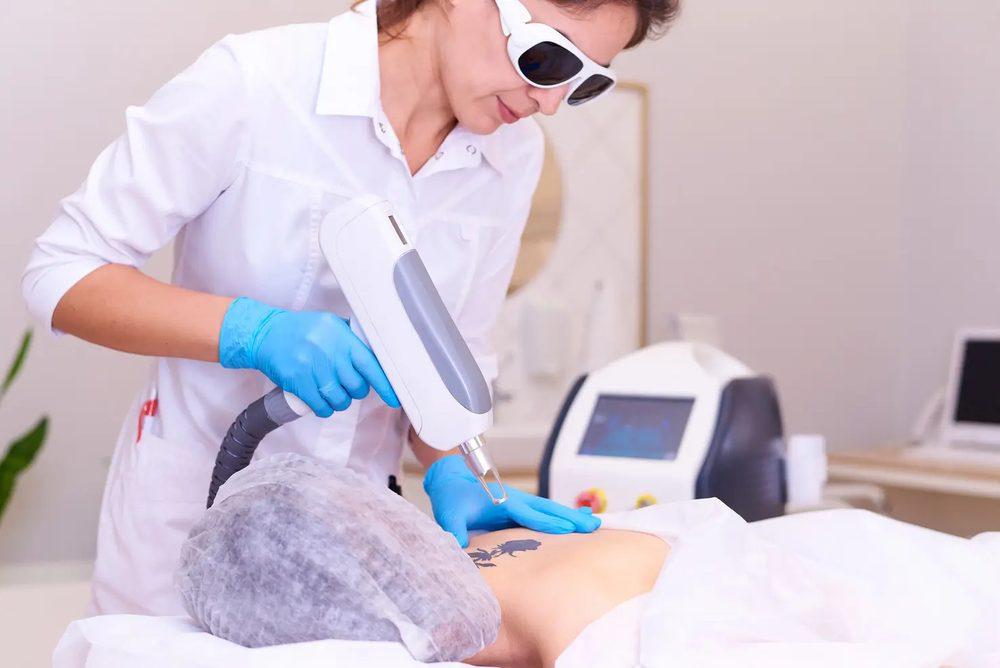
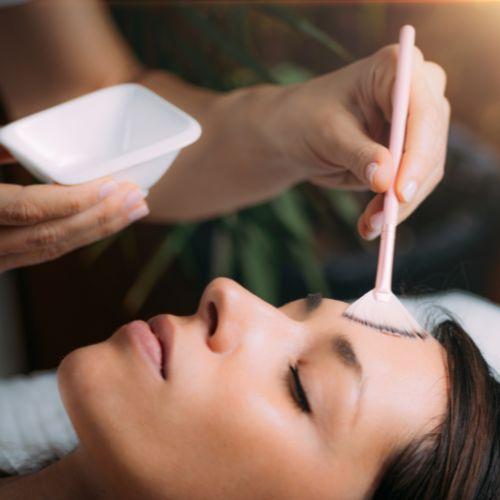
Treatment begins with strict daily sun protection and prescription creams that reduce pigment production. Chemical peels, oral medicines and low-energy laser toning may be added for selected patients. Melasma can be lightened significantly in many people, but it is a condition that tends to relapse, especially with sun or hormonal triggers. Maintenance care, including sunscreen, gentle creams and occasional sessions, helps keep it under control and lets you deal with any early darkening before it spreads.
The procedure
What happens during the treatment?
- 1
Skin examination
Dr. Shilpa checks the pattern and depth of pigment, often with a Wood's lamp or dermatoscope, and rules out other causes.
- 2
Trigger review
She asks about sun exposure, pregnancy, hormonal medicines, thyroid issues and products like steroid creams that can worsen pigment.
- 3
Home treatment
You start a routine of prescription creams and a tinted or broad-spectrum sunscreen suited to your skin.
- 4
In-clinic sessions
If needed, gentle peels or laser toning are added and spaced a few weeks apart, with your skin checked before each session.
Benefits
What are the benefits?
- Treatment is planned to lighten patches without irritating the skin.
- The depth and triggers of your melasma are assessed first.
- Home care, peels and laser can be combined as your skin allows.
- A maintenance routine helps reduce how often melasma returns.
- Unsafe self-treatment with steroid creams is avoided.
Is it right for you?
This treatment suits adults with melasma on the face who want a supervised, long-term approach. Pregnant or breastfeeding women can start with safe sun protection and selected creams, with stronger treatments deferred. If you have used steroid-containing fairness creams, tell Dr. Shilpa, since that skin needs to recover first.
Aftercare
How should you care for your skin afterwards?
- 01Use sunscreen every day, indoors and outdoors, and reapply every few hours outside.
- 02Wear a wide-brimmed hat or use an umbrella in direct sun.
- 03Avoid saunas, steam and prolonged heat exposure.
- 04Do not use bleaching or fairness creams without advice.
- 05Continue maintenance creams even after patches fade.
FAQs
Frequently asked questions
Melasma can usually be lightened significantly, but it is a chronic condition that may return with sun, heat or hormonal changes. Ongoing sun protection and maintenance treatment help keep it controlled. Dr. Shilpa will explain what is realistic for your skin.
This page is for general information and does not replace a medical consultation. Results vary from person to person.