
Overview
What is Chemical Peels and who is it for?
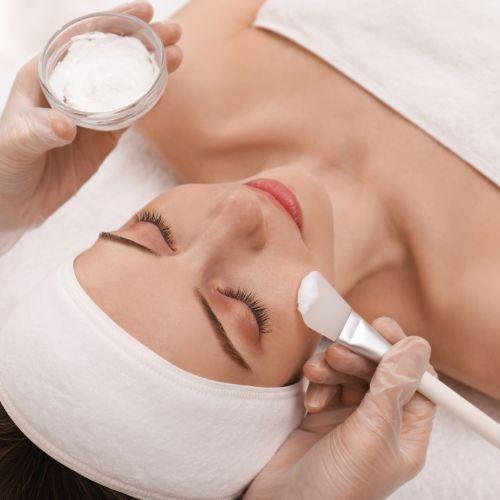
Chemical peels have been used in dermatology for decades. A liquid containing acids such as glycolic, salicylic, lactic, mandelic or a combination is applied to clean skin for a set time. The acid loosens the bonds between dead skin cells so they shed over the following days. This also stimulates the skin to renew itself, which can improve tone, texture and clogged pores.
Different peels do different jobs. Salicylic acid is oil-soluble and works well for acne and blackheads. Glycolic and lactic acids help with dullness and fine lines. Combination peels can target pigmentation and tanning. Most peels used in clinic for Indian skin are superficial, which means they act on the top layers and usually need little or no downtime. Stronger, medium-depth peels are used more cautiously and only when they suit you.
Peels work best as a series, spaced a few weeks apart, with a good home routine and daily sunscreen. A single peel can freshen the skin, but lasting change in pigmentation or acne takes several sessions. Dr. Shilpa will tell you which peel suits your concern and how many sessions you are likely to need after looking at your skin.
The procedure
What happens during the treatment?
- 1
Consultation and skin check
Dr. Shilpa assesses your concern, skin type and any history of sensitivity, then chooses the peel. You may be asked to prepare your skin with a home cream for 2 weeks.
- 2
Cleansing and protection
Your face is cleansed and degreased. Sensitive areas such as the corners of the eyes, nose and lips are protected.
- 3
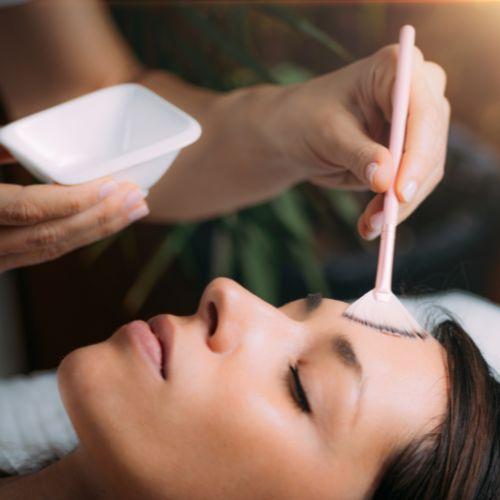
Peel application
The peel is applied evenly and left on for a timed period. You may feel tingling or mild warmth, which is watched closely.
- 4
Neutralising and soothing
The peel is neutralised or removed, and a calming moisturiser and sunscreen are applied before you leave.
Benefits
What are the benefits?
- Clears clogged pores and helps control active acne.
- Lightens tanning, dark spots and post-acne marks over a series.
- Gives a smoother texture and a fresher look to dull skin.
- Peel strength is adjusted to suit Indian skin and lower the risk of irritation.
- Quick sessions that fit into a lunch break for most superficial peels.
Is it right for you?
Peels suit most people with acne, tanning, marks or dull skin. They are not advised if you have active cold sores, open wounds, a recent sunburn or very sensitive, inflamed skin. If you have used isotretinoin recently, are pregnant or have a tendency to form keloids, tell Dr. Shilpa so she can adjust or delay the plan.
Aftercare
How should you care for your skin afterwards?
- 01Avoid direct sun and use a broad-spectrum sunscreen every 3-4 hours outdoors.
- 02Do not pick or peel flaking skin. Let it shed on its own.
- 03Use a gentle cleanser and a plain moisturiser for the first few days.
- 04Pause retinoid or exfoliating creams for 3-5 days, or as advised.
- 05Avoid waxing, threading, scrubs and steam on the treated area for a week.
FAQs
Frequently asked questions
Most people feel tingling, mild stinging or warmth while the peel is on. It usually settles within minutes of the peel being neutralised. A fan is used to keep you comfortable, and the strength is chosen to suit your skin, so discomfort is generally mild.
This page is for general information and does not replace a medical consultation. Results vary from person to person.