
Overview
What is Acne / Pimple Treatment and who is it for?
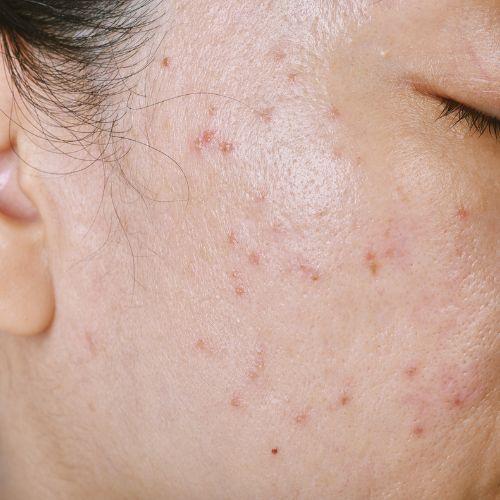
Acne starts inside the hair follicle. Excess oil, dead skin cells that do not shed properly, bacteria and inflammation all play a part. Some people get a few whiteheads before their periods. Others have deep, painful nodules that leave scars. Hormones, stress, certain medicines, heavy cosmetics and a family history can all make it worse. Because the causes differ, the same cream that works for a friend may do little for you.
Treatment usually combines several approaches. Topical creams such as retinoids, benzoyl peroxide or azelaic acid unclog pores and reduce bacteria. For moderate to severe acne, oral antibiotics, hormonal therapy or isotretinoin may be considered, with the right tests and monitoring. In-clinic procedures like chemical peels, comedone extraction and, in selected cases, light-based treatments can speed up the improvement. Dr. Shilpa chooses the mix based on the grade of your acne and how your skin tolerates each step.
Early, consistent treatment matters. Each deep pimple carries a risk of leaving a dark mark or a pitted scar, and Indian skin is especially prone to post-inflammatory pigmentation. Controlling active acne first protects your skin from long-term damage. Results vary from person to person, and Dr. Shilpa will explain what is realistic for your skin, and how long it may take, at the first visit.
The procedure
What happens during the treatment?
- 1
Skin assessment
Dr. Shilpa examines your acne, asks about your routine, diet, periods and medicines, and grades the severity. Blood tests are suggested only if a hormonal cause is suspected.
- 2
Personal treatment plan
You get a written plan with prescription creams, oral medicines if needed and a simple skincare routine that suits your skin type.
- 3
In-clinic procedures
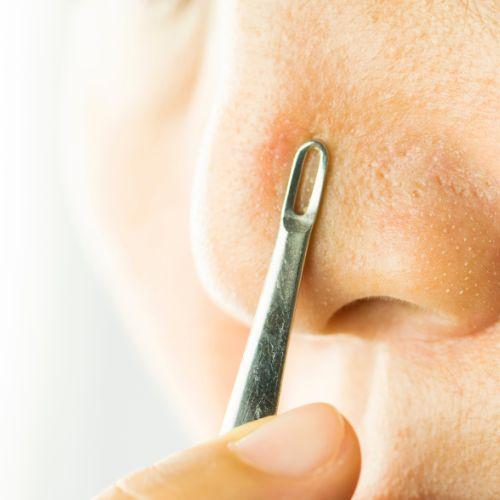
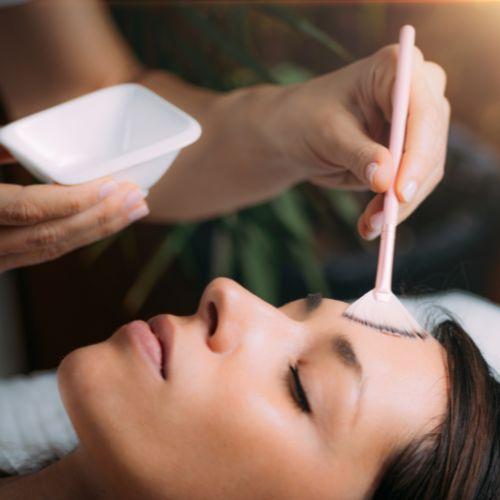
Where helpful, a chemical peel or comedone extraction is added to clear clogged pores and settle inflammation faster.
- 4
Follow-up and adjustment
Regular reviews let Dr. Shilpa check progress, manage side effects and step the treatment up or down as your skin improves.
Benefits
What are the benefits?
- Treatment is matched to the type and cause of your acne, not a one-size routine.
- Fewer new breakouts as clogged pores and inflammation come under control.
- Lower risk of dark marks and scars when pimples are treated early.
- Prescription medicines are monitored by a dermatologist for safety.
- A maintenance plan helps keep acne from coming back once it settles.
Is it right for you?
This treatment suits teenagers and adults with any grade of acne, from occasional whiteheads to painful cysts. If you are pregnant, planning a pregnancy or breastfeeding, tell Dr. Shilpa, because some acne medicines are not safe at these times. Women with irregular periods or excess facial hair may need a hormonal check alongside skin treatment.
Aftercare
How should you care for your skin afterwards?
- 01Wash your face twice a day with a gentle, non-soap cleanser.
- 02Use a non-comedogenic moisturiser, even if your skin feels oily.
- 03Apply a broad-spectrum sunscreen every morning, as many acne medicines make skin sun-sensitive.
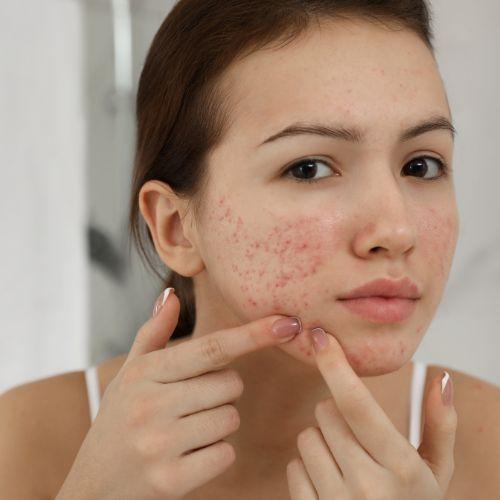
- 04Do not squeeze or pick pimples, as this raises the risk of marks and scars.
- 05Use prescribed creams exactly as advised and do not stop when the first pimples settle.
FAQs
Frequently asked questions
Most people notice fewer new pimples within 6 to 8 weeks, with clearer improvement by around 3 months. Acne creams work slowly because they change how the pore behaves over time. Stopping early is a common reason acne returns, so keep going with the plan and attend your follow-up visits.
This page is for general information and does not replace a medical consultation. Results vary from person to person.