
Overview
What is Acne Scar Treatment and who is it for?
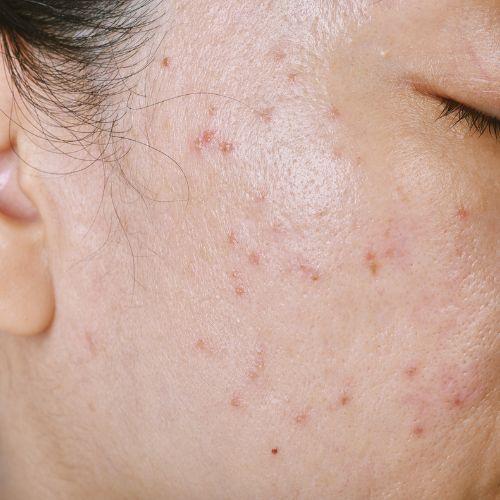
When an acne lesion damages the deeper layer of skin, the healing process can leave a lasting change in texture. Most acne scars are atrophic, meaning they sit below the surface. Icepick scars are narrow and deep, boxcar scars have sharp edges, and rolling scars create a wavy look because bands of tissue pull the skin down. Raised or keloid scars are less common and need a different approach.
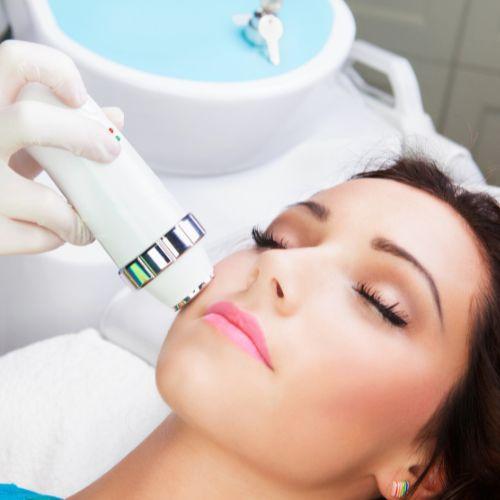
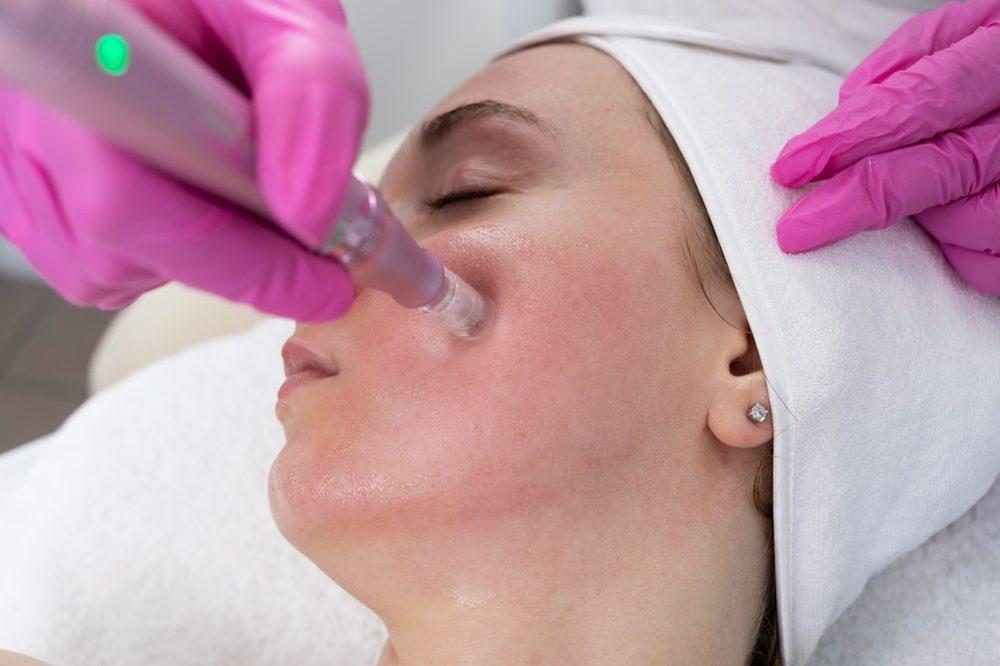
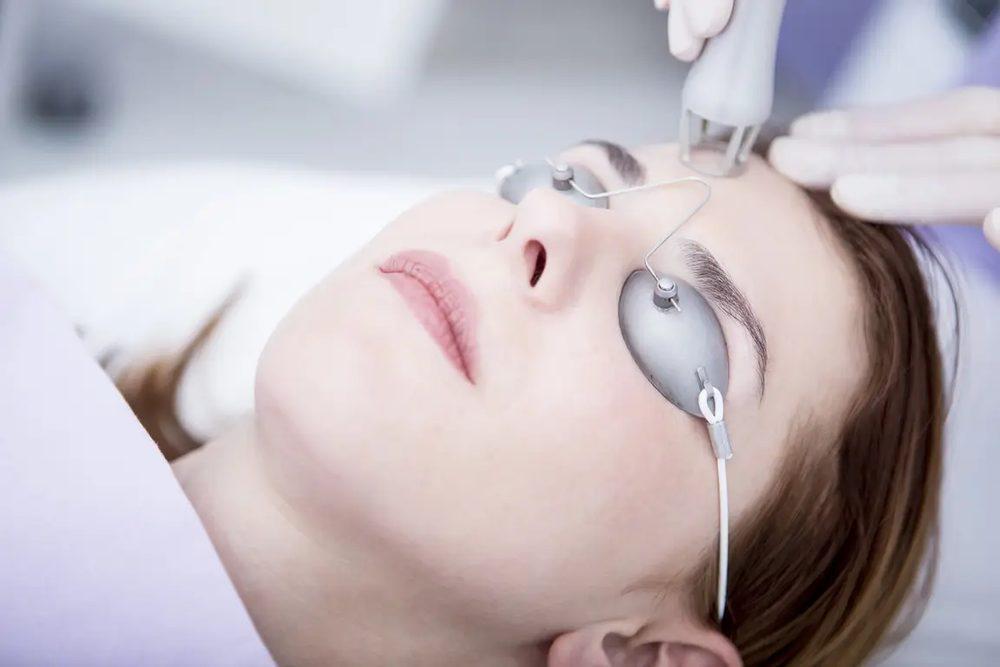
No single treatment suits every scar. Subcision releases the bands under rolling scars. TCA CROSS, a focused chemical technique, can help icepick scars. Fractional lasers and microneedling radiofrequency stimulate new collagen across wider areas. PRP may be added to support healing, and fillers can lift some depressed scars. A combination, staged over several months, usually gives better results than one method alone.
Before scar treatment begins, active acne needs to be under control, otherwise new scars can form. Improvement is gradual and depends on scar depth, skin type and healing. Scars can often be made much less noticeable, but complete removal is not a realistic expectation, and some scars respond better than others. Dr. Shilpa will explain what your scars are likely to respond to after an in-person consultation.
The procedure
What happens during the treatment?
- 1
Scar mapping
Dr. Shilpa examines your skin in good light, identifies each scar type and checks that active acne is controlled before starting.
- 2
Combination plan
You receive a staged plan that may include subcision, TCA CROSS, MNRF, fractional laser, peels or PRP, with the order and spacing explained.
- 3
Treatment sessions
Each session starts with a numbing cream. The chosen procedure is carried out area by area, with settings adjusted to your skin.
- 4
Review and refine
Progress is reviewed between sessions, and the plan is adjusted to focus on scars that need more work.
Benefits
What are the benefits?
- Each scar type is matched to the technique most likely to help it.
- Combining methods can give better improvement than a single procedure.
- Treatments stimulate your own collagen for a gradual, natural-looking change.
- Settings are chosen with Indian skin in mind to reduce pigmentation risk.
- Planned by a dermatologist with hands-on skin and laser surgery training.
Is it right for you?
Acne scar treatment suits adults with depressed scars whose active acne is controlled. If you are still breaking out, Dr. Shilpa will treat the acne first. It is not suitable during pregnancy or with active infection. Tell Dr. Shilpa if you have taken isotretinoin in the last 6 months or tend to form keloids.
Aftercare
How should you care for your skin afterwards?
- 01Keep the area clean and follow the specific care sheet for your procedure.
- 02Apply sunscreen daily and avoid direct sun while the skin heals.
- 03Avoid makeup for 24-48 hours after needling or laser sessions.
- 04Do not pick at scabs or flaking skin.
- 05Keep your acne treatment going so new scars do not form.
FAQs
Frequently asked questions
Most acne scars can be made noticeably softer and less visible, but complete removal is not a realistic promise. The degree of improvement depends on scar type, depth, your skin and how it heals. Dr. Shilpa will give you an honest view of what to expect after examining your scars.
This page is for general information and does not replace a medical consultation. Results vary from person to person.