
Overview
What is Laser for Acne Scars and who is it for?
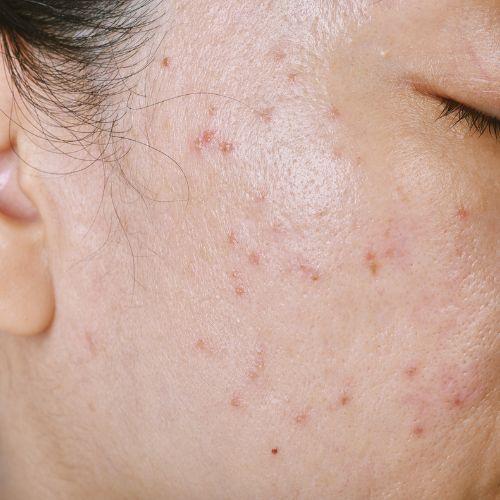
Acne scars form when deep inflammation damages the collagen under the skin. As the skin heals, it pulls down or loses volume, leaving dents. These are different from flat brown or red marks, which are pigment and usually respond to other treatments. Knowing which kind of scar you have is the first step, so Dr. Shilpa will examine your skin under good light before suggesting anything.
A fractional laser delivers energy in a grid of very fine columns. Each column creates a small wound while the skin around it stays intact, which helps fast healing. Over the following weeks, the skin replaces damaged tissue with fresh collagen, so scars gradually become shallower and the surface more even. Ablative lasers such as fractional CO2 work deeper, while non-ablative options are gentler with less downtime.
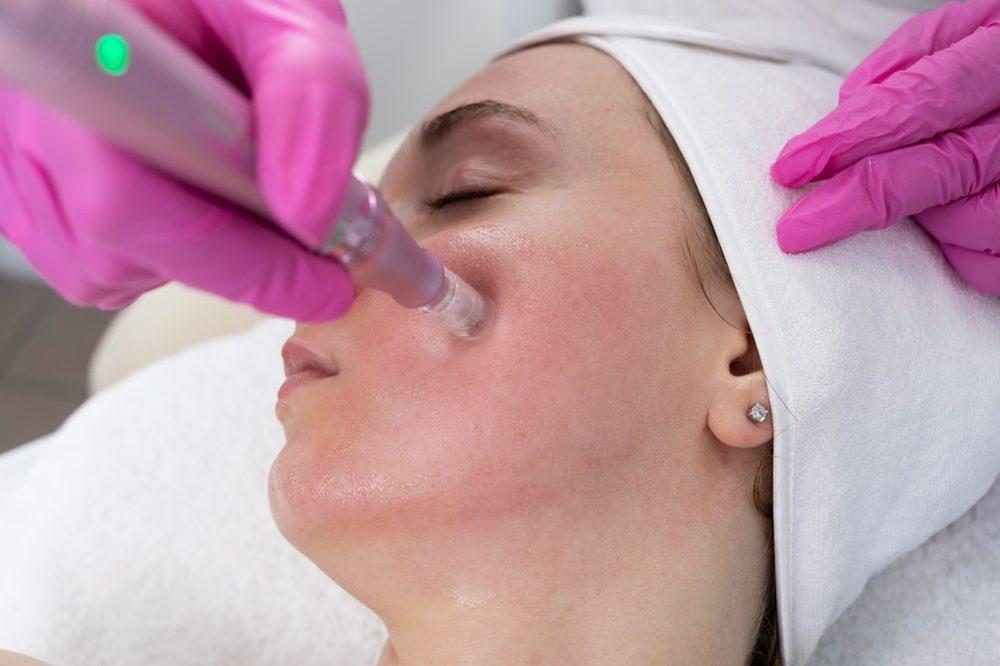
For Indian skin, there is a real risk of post-inflammatory hyperpigmentation, the darkening that can follow any injury to the skin. To reduce it, settings are kept conservative, sessions are spaced well apart and skin is often prepared with creams beforehand. Deep or tethered scars may also need subcision, TCA CROSS or microneedling, and a combined plan usually works better than laser alone.
The procedure
What happens during the treatment?
- 1
Scar assessment
Dr. Shilpa identifies your scar types, checks for active acne and decides whether laser alone or a combination plan suits you.
- 2
Skin preparation
You may be asked to use specific creams and strict sunscreen for 2-4 weeks before to calm pigment and prepare the skin.
- 3
Numbing and laser
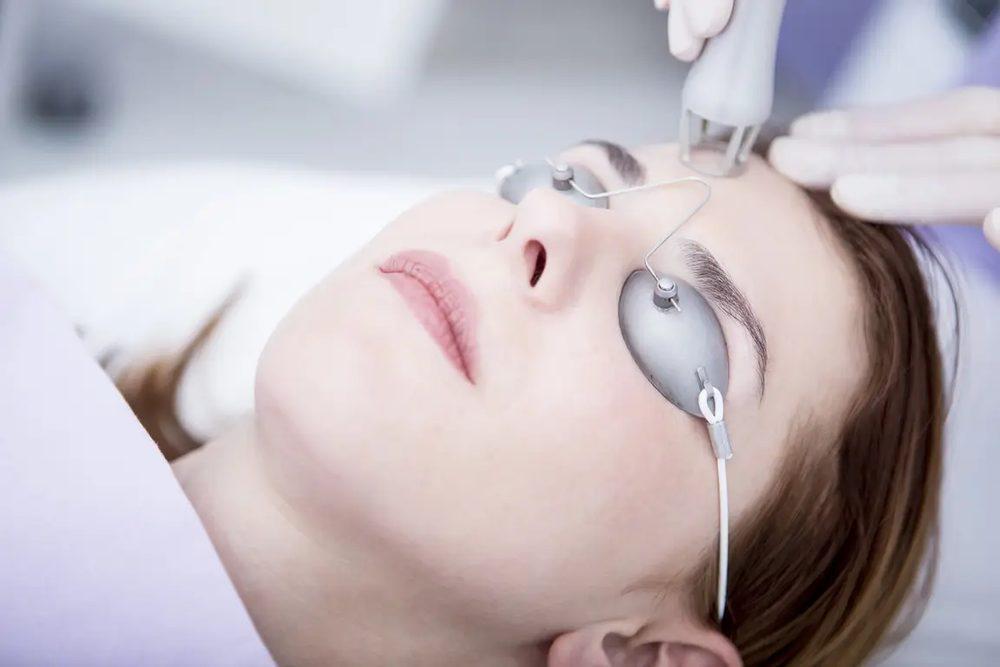
Numbing cream is applied for about 45 minutes. With eye protection on, the laser is passed over the scarred areas. You feel heat and prickling.
- 4
Recovery and review
Cooling and a barrier cream are applied. You return for review, and the next session is planned once your skin has fully settled.
Benefits
What are the benefits?
- Softens the depth of rolling and boxcar scars by stimulating new collagen.
- Improves overall skin texture and the look of large pores.
- Can be combined with subcision, peels or PRP for deeper scars.
- Settings are adjusted to reduce pigmentation risk in darker skin.
- Treatment intensity can be matched to the downtime you can manage.
Is it right for you?
Laser for acne scars suits adults whose acne is under control and who have dented or textured scars. It is not done over active breakouts, during pregnancy, or within months of isotretinoin use without the doctor's advice. If you tan easily or have had pigmentation after injury before, tell Dr. Shilpa so the plan can be adjusted.
Aftercare
How should you care for your skin afterwards?
- 01Keep the skin moisturised with the cream prescribed to you.
- 02Do not pick or scrub any crusts; let them fall off on their own.
- 03Use sunscreen daily and avoid direct sun for at least two weeks.
- 04Avoid makeup for 2-3 days and actives like retinoids for a week.
- 05Report unusual swelling, pain or darkening to the clinic.
FAQs
Frequently asked questions
Laser can make scars noticeably shallower and improve texture, but it rarely erases them fully. Most people see a meaningful change over a full course. How much improvement you get depends on the scar type, depth and your skin's healing, so Dr. Shilpa will set realistic expectations at your consultation.
This page is for general information and does not replace a medical consultation. Results vary from person to person.