
Overview
What is PRP Hair Treatment and who is it for?
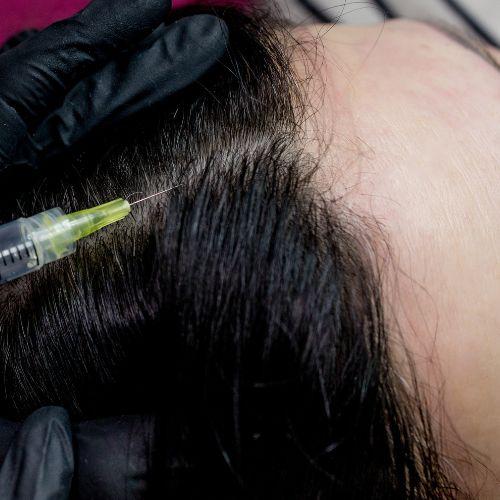
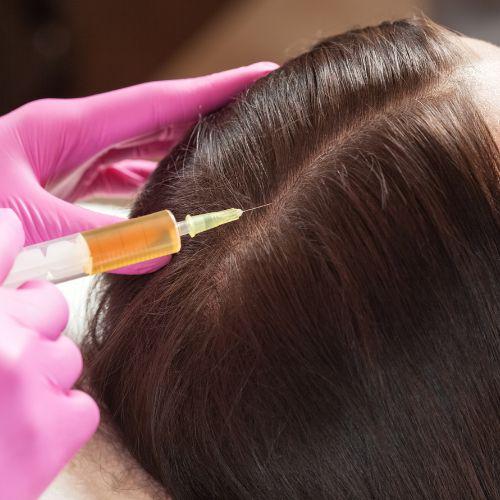
Platelets are the cells in your blood that help wounds heal. They release growth factors that signal tissue to repair and regenerate. In PRP therapy, a small amount of your blood is drawn, spun in a centrifuge to separate the platelets from red cells, and the concentrated plasma is injected into the thinning areas of your scalp. The whole visit usually takes under an hour.
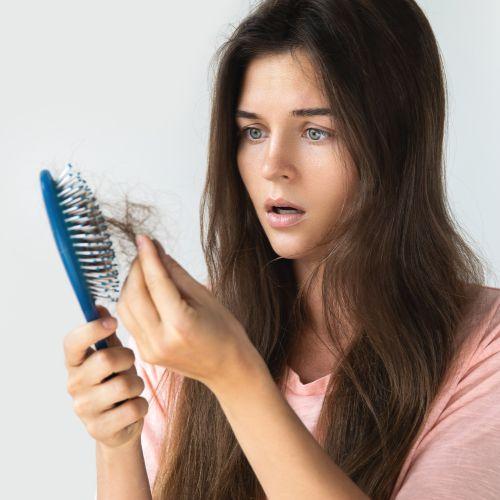
PRP is most useful for androgenetic alopecia (pattern hair loss) in its early to moderate stages, when follicles are shrinking but still alive. It can also be part of the plan for some kinds of long-standing shedding. It does not create new follicles where the scalp is already completely bald, so it is not a substitute for a hair transplant in advanced cases.
Because it uses your own blood, the risk of allergy is very low. PRP usually works best alongside medical treatment such as prescribed lotions or tablets, and correction of any deficiencies found on blood tests. If tests show low iron, vitamin D or a thyroid problem, these are treated at the same time. Dr. Shilpa will tell you whether PRP is likely to help you, and results vary from person to person.
The procedure
What happens during the treatment?
- 1
Assessment
Dr. Shilpa examines your scalp, confirms the type of hair loss and may ask for blood tests before recommending PRP.
- 2
Blood draw and centrifuge
About 10-20 ml of blood is drawn from your arm, like a routine blood test, and spun in a centrifuge to concentrate the platelets.
- 3
Numbing the scalp
A numbing cream or other comfort measures are used on the scalp to make the injections easier to tolerate.
- 4
Scalp injections
The platelet-rich plasma is injected with a fine needle into the thinning areas in a grid pattern. This takes about 15-20 minutes.
Benefits
What are the benefits?
- It uses your own blood, so allergic reactions are very unlikely.
- It can reduce shedding and improve hair thickness in suitable patients.
- It works well alongside prescribed medicines for pattern hair loss.
- It is a clinic procedure with no stitches and little downtime.
- You can return to work the same day or the next day.
Is it right for you?
PRP suits men and women with early to moderate pattern hair loss or diffuse thinning where follicles are still active. It is not advised if you have a blood clotting disorder, low platelet count, active scalp infection, are on blood thinners or are pregnant. Dr. Shilpa will review your health history and tests before booking you in.
Aftercare
How should you care for your skin afterwards?
- 01Do not wash your hair for 6-8 hours after the session, or as advised.
- 02Avoid hair colour, chemical treatments and heavy styling for 2-3 days.
- 03Skip the gym, swimming and saunas for 24-48 hours.
- 04Avoid painkillers like aspirin or ibuprofen for a few days unless your doctor says otherwise, as they may affect platelet function.
- 05Continue your prescribed hair medicines between sessions.
FAQs
Frequently asked questions
Most people describe it as uncomfortable rather than painful. The scalp is numbed before the injections, and the needle used is very fine. You may feel pressure and a mild sting. Soreness or a tight feeling in the scalp for a day or two afterwards is common and settles on its own.
This page is for general information and does not replace a medical consultation. Results vary from person to person.