
Overview
What is Dark Spots Reduction and who is it for?
Dark spots appear when skin cells called melanocytes produce extra melanin in one area. In Indian skin, this often follows inflammation, such as a pimple, insect bite or rash, and is called post-inflammatory hyperpigmentation. Sun exposure causes freckles and sun spots, while age spots, or solar lentigines, build up over years. Some spots are flat and light brown, others are darker and more defined.
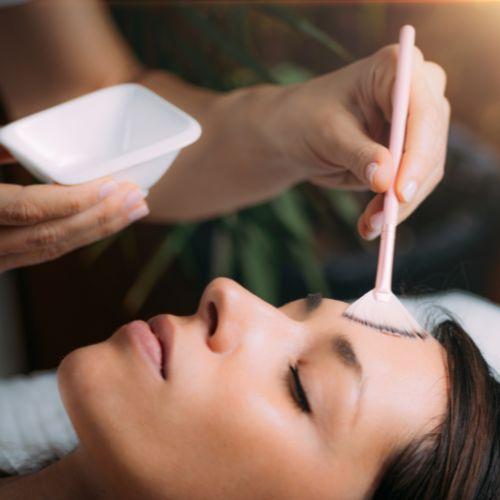
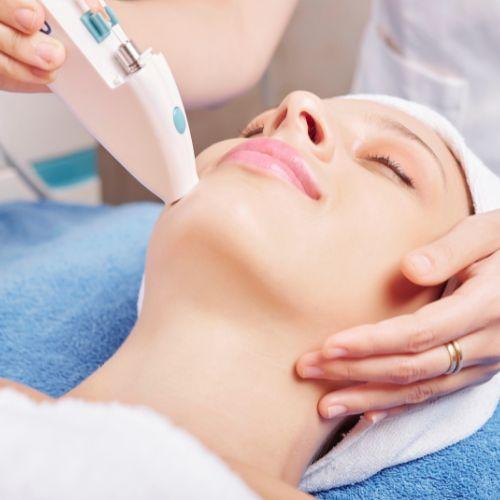
Treatment usually begins with prescription creams that slow melanin production, such as azelaic acid, kojic acid, retinoids or other agents chosen for your skin. Chemical peels help remove pigmented surface cells. For deeper or stubborn spots, Q-switched or other pigment lasers can break down pigment so the body clears it. Sunscreen is part of every plan, because sun exposure darkens existing spots and creates new ones.
Spots fade gradually, and some respond faster than others. Post-acne marks often improve well within a few months, while age spots and deeper pigment may need laser sessions. Dr. Shilpa will also check that a spot is harmless before treating it cosmetically, since a few spots need a closer look. Results vary, and the plan is decided after an in-person consultation where your skin type and history are considered.
The procedure
What happens during the treatment?
- 1
Spot assessment
Dr. Shilpa examines each spot, sometimes with a dermatoscope, to identify its cause and depth and rule out anything that needs further checking.
- 2
Home treatment
You start a prescribed routine with a pigment-reducing cream and a daily sunscreen suited to your skin.
- 3
In-clinic sessions
Chemical peels or laser sessions are added for faster or deeper clearance, with settings chosen for your skin type.
- 4
Review
Progress is checked every few weeks, and the routine is adjusted to keep improving the spots without irritation.
Benefits
What are the benefits?
- The cause of each spot is identified before treatment begins.
- Creams, peels and lasers can be combined for better results.
- Treatments are adjusted to lower the risk of rebound darkening in Indian skin.
- A sun protection plan helps prevent new spots from forming.
- Suspicious spots are recognised and checked rather than treated cosmetically.
Is it right for you?
This treatment suits people with acne marks, sun spots, freckles or age spots. If you have melasma, the approach is different and gentler. Pregnant or breastfeeding women can use only some creams, and lasers are usually postponed. Any spot that has changed in size, shape or colour should be examined before cosmetic treatment.
Aftercare
How should you care for your skin afterwards?
- 01Apply a broad-spectrum sunscreen every morning and reapply when outdoors.
- 02Wear a hat or carry an umbrella in strong sun.
- 03Use pigment creams only as prescribed, as overuse can irritate and darken skin.
- 04Avoid scrubbing or picking treated spots.
- 05Keep your follow-up visits so treatment can be adjusted in time.
FAQs
Frequently asked questions
Most people notice lightening within 8 to 12 weeks of consistent treatment. Post-acne marks often fade faster than age spots or deep pigment. Laser-treated spots may darken for a week before flaking off. Patience and daily sunscreen make a real difference.
This page is for general information and does not replace a medical consultation. Results vary from person to person.