
Overview
What is Q-Switched Laser Treatment and who is it for?
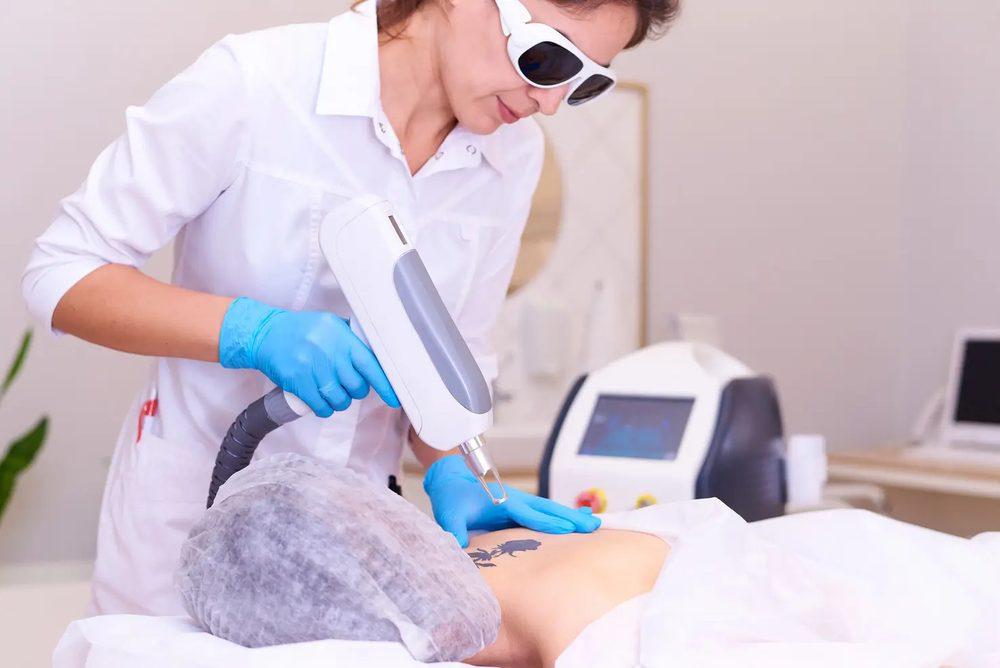
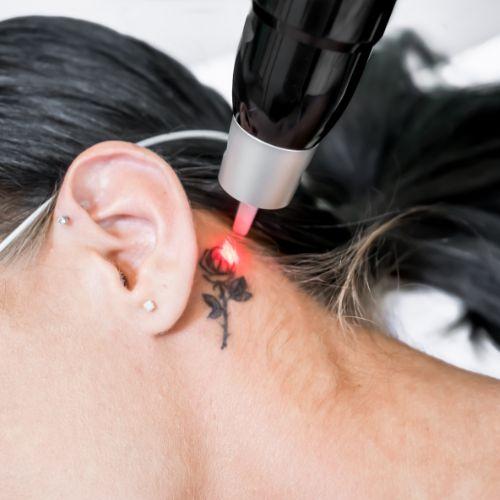
Q-switching is a technique that lets a laser release its energy in extremely short bursts, measured in billionths of a second. At that speed, pigment particles heat up and shatter before the heat can spread to nearby skin. The body then clears the fragments over the following weeks. This is the same principle used for tattoo removal and many pigment treatments.
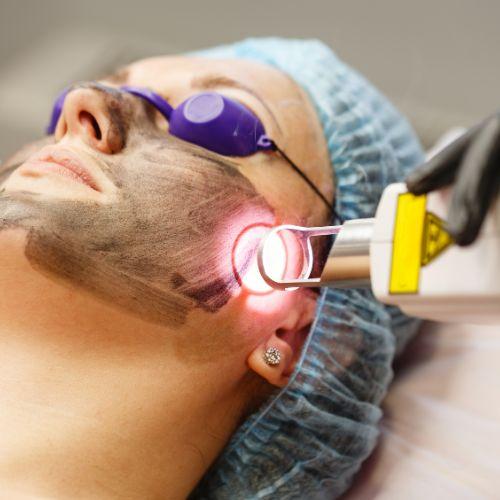
The Q-switched Nd:YAG laser has two common wavelengths. The 1064 nm beam reaches deeper and is safer for darker skin, making it useful for dermal pigment, dark tattoo ink and laser toning. The 532 nm beam works on surface pigment such as freckles and red tattoo ink, but it needs more caution in brown skin. Carbon laser toning also uses this laser.
For Indian skin, the Q-switched laser is often used in a low-energy toning mode over several sessions rather than one strong treatment. This gradual approach lowers the risk of rebound darkening or white spots. Dr. Shilpa diagnoses the type of pigment first, because results for freckles, melasma, birthmarks and tattoos differ quite a lot, and so do the number of sessions and the spacing between them.
The procedure
What happens during the treatment?
- 1
Diagnosis
Dr. Shilpa examines the area, identifies the pigment type and depth, and decides on wavelength and settings.
- 2
Preparation
The skin is cleansed. Numbing cream is used for tattoos and stronger settings; toning sessions usually do not need it.
- 3
Laser session
You wear protective eyewear while the laser is passed over the skin. It feels like light, warm snaps.
- 4
Soothing and follow-up
A calming cream and sunscreen are applied, and the next session is scheduled based on your condition.
Benefits
What are the benefits?
- Treats a range of pigment problems with one versatile laser.
- Very short pulses limit heat damage to surrounding skin.
- Low-energy toning mode suits darker Indian skin types.
- Used for tattoo removal, birthmarks and carbon laser toning.
- Little or no downtime for most toning sessions.
Is it right for you?
Q-switched laser suits people with freckles, sun spots, uneven tone, certain birthmarks or tattoos, after a proper diagnosis. It is postponed if you are pregnant, tanned or have an active skin infection. Melasma needs a careful, combined approach. If you have had pigment reactions to treatments before, tell Dr. Shilpa so she can adjust the plan.
Aftercare
How should you care for your skin afterwards?
- 01Use a broad-spectrum sunscreen daily and reapply outdoors.
- 02Avoid scrubs, bleach and waxing on the treated area for a week.
- 03Use only gentle cleansers and the creams prescribed to you.
- 04Avoid heat exposure such as saunas and steam for 48 hours.
- 05Follow the session spacing your doctor recommends.
FAQs
Frequently asked questions
It is mainly used for pigment problems such as freckles, sun spots, uneven tone and some birthmarks, as well as tattoo removal and carbon laser toning. Its very short pulses break up pigment while limiting heat to the surrounding skin.
This page is for general information and does not replace a medical consultation. Results vary from person to person.