
Overview
What is PCOD Skin Treatment and who is it for?
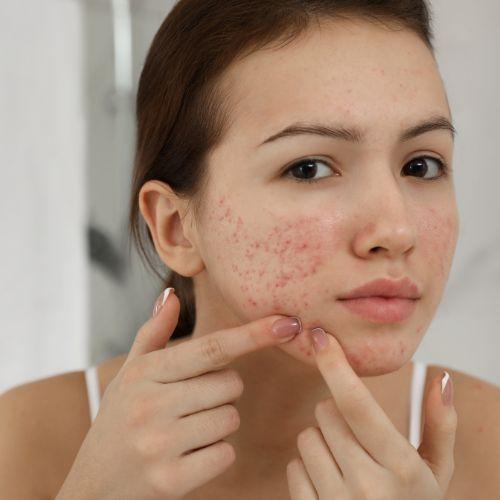
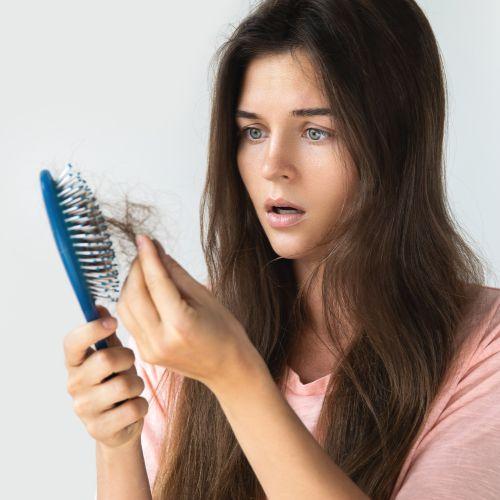
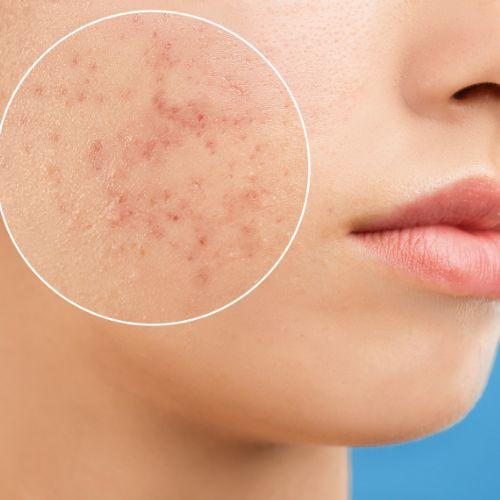
PCOD, also called PCOS, is a common hormonal condition in women. Higher levels of androgens, or male-pattern hormones, and insulin resistance affect the skin and hair. This can cause acne along the jaw and chin, coarse hair on the face, chest or abdomen, thinning hair on the top of the scalp, and acanthosis nigricans, which are dark, velvety patches on the neck, underarms and skin folds.
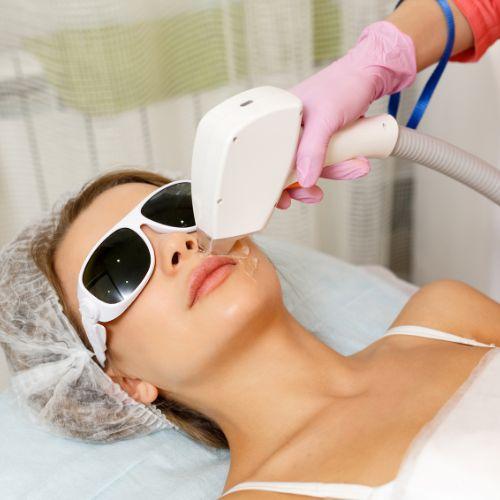
Skin treatment for PCOD works on two levels. The first treats what you can see: medicated creams and peels for acne, laser hair reduction for unwanted hair, topical treatments and peels for dark patches, and medical therapy for hair thinning. The second looks at the hormonal and metabolic side. Dr. Shilpa may suggest blood tests and coordinate with your gynaecologist or physician about hormonal therapy and lifestyle changes.
Because PCOD is a long-term condition, symptoms can return if hormones are not managed. Weight changes, regular exercise and a balanced diet often help the skin as much as any cream. Progress is usually steady rather than quick, and the plan is adjusted over time. Results vary, and Dr. Shilpa will discuss a realistic plan with you after an in-person consultation.
The procedure
What happens during the treatment?
- 1
Detailed consultation
Dr. Shilpa asks about your periods, weight changes, medicines and skin and hair symptoms, and examines the affected areas.
- 2
Investigations
Blood tests for hormones, sugar or thyroid may be advised, and existing reports from your gynaecologist are reviewed.
- 3
Skin and hair plan
You receive treatment for each concern, such as acne medicines, peels for dark patches, laser hair reduction or hair loss therapy.
- 4
Ongoing care
Regular reviews track progress, and care is coordinated with your gynaecologist or physician where hormonal treatment is needed.
Benefits
What are the benefits?
- Skin and hair symptoms of PCOD are treated together in one plan.
- Underlying hormonal factors are checked rather than ignored.
- Care can be coordinated with your gynaecologist or physician.
- Procedures such as peels and laser hair reduction are added only where useful.
- Practical lifestyle advice supports longer-lasting results.
Is it right for you?
This treatment suits women and teenage girls with a PCOD diagnosis, or with symptoms like irregular periods along with acne, facial hair or dark patches. If you are pregnant or trying to conceive, some medicines will be avoided. Bring any previous ultrasound or blood reports to your first visit.
Aftercare
How should you care for your skin afterwards?
- 01Take prescribed medicines regularly, even when skin starts to improve.
- 02Use a gentle cleanser, an oil-free moisturiser and daily sunscreen.
- 03Avoid scrubbing dark patches, as friction makes them darker.
- 04Aim for regular physical activity and balanced meals, as advised by your doctor.
- 05Keep follow-up appointments with both your dermatologist and gynaecologist.
FAQs
Frequently asked questions
A dermatologist treats the skin and hair effects of PCOD, such as acne, facial hair, dark patches and hair thinning. The hormonal condition itself is usually managed with a gynaecologist or physician. Dr. Shilpa can coordinate with them so both sides are covered.
This page is for general information and does not replace a medical consultation. Results vary from person to person.