
Overview
What is Microdermabrasion and who is it for?
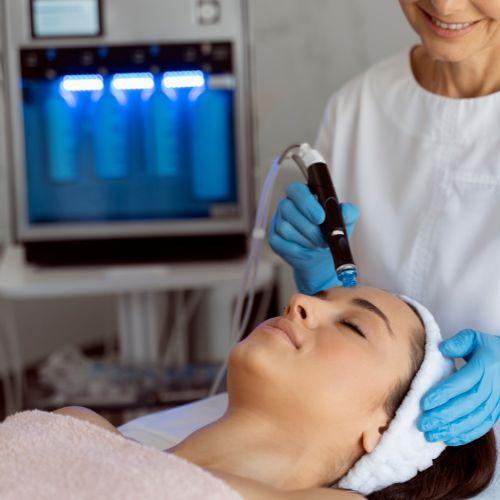
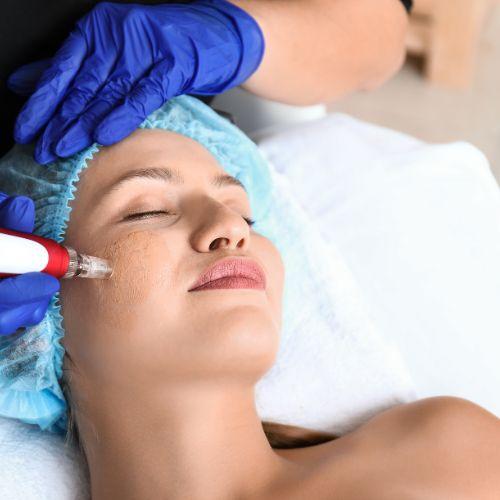
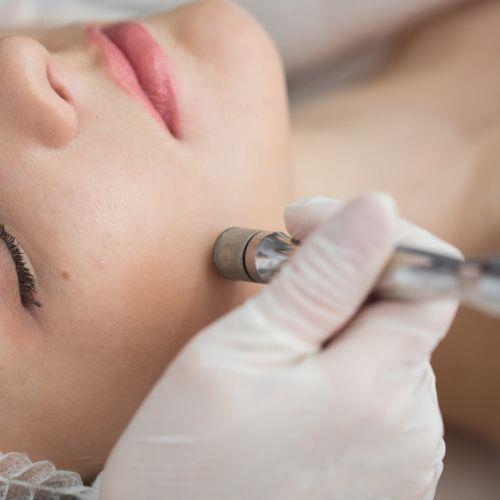
Microdermabrasion is a mechanical exfoliation treatment. A handpiece with a diamond-coated tip, or one that sprays fine crystals, is moved across the skin while gentle suction lifts away the loosened dead cells. This removes the outermost layer that makes skin look dull and feel rough. The suction also gives a mild boost to blood flow in the skin, which is part of why it looks fresher straight after a session.
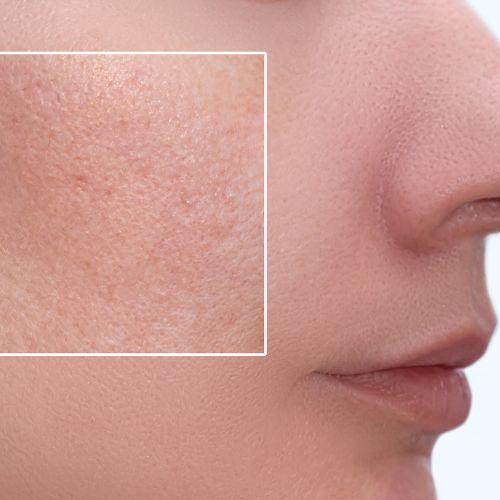
Because it works only on the surface, microdermabrasion is gentle and has no real downtime. It helps with dullness, rough texture, congested pores and very mild superficial marks. It can be used on the face, neck, chest and back. It is not strong enough on its own for deep acne scars, melasma or deep wrinkles, though it may be used as part of a broader plan for those concerns.
Regular sessions can keep skin looking fresh and help topical treatments absorb better. Many people pair it with a medical peel or a prescribed skincare routine for a stronger overall effect. Dr. Shilpa will check your skin first, as it is not suitable for active acne, rosacea flares or very sensitive skin, and will set the intensity to match your skin type.
The procedure
What happens during the treatment?
- 1
Skin assessment
Your skin is examined to confirm microdermabrasion suits your concern and to set the right intensity.
- 2
Cleanse
Make-up and oil are removed so the handpiece can work evenly.
- 3
Exfoliation
The handpiece is passed across the face in sections. You feel a gentle scratching and suction, which is not usually painful.
- 4
Soothe and protect
A calming serum or mask, moisturiser and sunscreen are applied to finish.
Benefits
What are the benefits?
- Removes dull, dead skin to reveal a fresher surface.
- Smooths rough texture and makes skin feel softer.
- Helps unclog pores and reduce blackheads.
- No needles, no chemicals, and little or no downtime.
- Can improve how well your skincare products absorb.
Is it right for you?
Microdermabrasion suits most skin types with dullness, rough texture or congested pores. It is not advised over active acne, cold sores, rosacea flares, eczema, sunburn or broken skin, or soon after isotretinoin use. If you have deep scars or stubborn pigmentation, Dr. Shilpa may suggest a stronger option after seeing your skin.
Aftercare
How should you care for your skin afterwards?
- 01Use a gentle cleanser and moisturiser for 1 to 2 days.
- 02Apply sunscreen every morning and reapply outdoors.
- 03Avoid scrubs, retinoids and acid products for 2 to 3 days.
- 04Avoid waxing or threading on treated areas for a few days.
- 05Avoid swimming and saunas for 24 hours.
FAQs
Frequently asked questions
Most people find it comfortable. It feels like a gentle scratching or massage with light suction. Sensitive areas around the nose or upper lip may tingle slightly. The intensity can be adjusted during the session, so tell us if anything feels too strong.
This page is for general information and does not replace a medical consultation. Results vary from person to person.