
Overview
What is Keloid Treatment and who is it for?
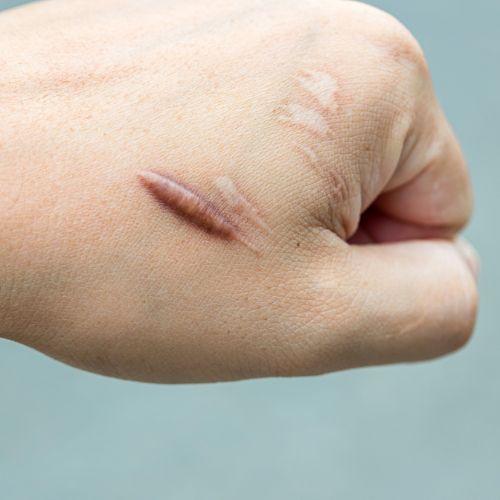
A keloid forms when the skin overreacts during healing and produces too much collagen. Unlike an ordinary raised scar, it spreads beyond the edges of the original injury and does not settle on its own. Keloids can follow piercings, acne, vaccinations, surgery or even minor scratches. They tend to run in families and are common in Indian and other darker skin types.
The most widely used treatment is a series of steroid injections into the keloid, which softens and flattens it and reduces itching. This is often combined with cryotherapy, silicone gel or sheets, and laser to improve redness and texture. Surgery alone has a high chance of recurrence, so if a keloid is removed, it is usually followed by injections. Keloids can be controlled well, but they may need ongoing care.
The procedure
What happens during the treatment?
- 1
Scar assessment
Dr. Shilpa checks the size, firmness and location of the keloid and asks how it started and whether it has been treated before.
- 2
Treatment plan
She explains the combination of injections, cryotherapy, laser or surgery that suits your keloid.
- 3
Injection sessions
Medicine is injected directly into the keloid with a fine needle. Cryotherapy may be applied in the same visit.
- 4
Regular follow-up
Sessions are repeated every few weeks until the scar flattens, with checks to watch for early signs of regrowth.
Benefits
What are the benefits?
- Injections can flatten raised keloids and reduce itching and pain.
- Combining treatments tends to work better than any one alone.
- Earlobe keloids can be removed with a plan to reduce regrowth.
- Treatment is done in short clinic visits with no hospital stay.
- You learn how to protect new wounds if you are prone to keloids.
Is it right for you?
This treatment suits people with keloids or thick raised scars that are growing, itchy, painful or cosmetically bothersome. It is also helpful if a keloid has come back after earlier removal. Pregnant women and people with certain health conditions may need a modified plan, so share your full medical history at the consultation.
Aftercare
How should you care for your skin afterwards?
- 01Use silicone gel or sheets daily if prescribed.
- 02Avoid tight clothing or pressure that rubs the treated area.
- 03Protect the scar from sun to reduce darkening.
- 04Avoid new piercings or tattoos in keloid-prone areas.
- 05Return promptly if the scar starts growing again.
FAQs
Frequently asked questions
Keloids can be flattened and controlled, but they have a known tendency to return, especially after surgery alone. Combining treatments and following up regularly lowers this risk. Dr. Shilpa will explain the likely outcome for your keloid once she has examined it.
This page is for general information and does not replace a medical consultation. Results vary from person to person.