
Overview
What is Laser for Keloids and who is it for?
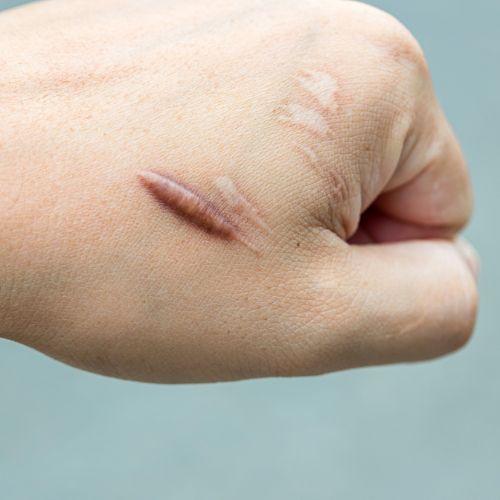
A keloid forms when the body keeps producing collagen long after a wound has healed. The scar grows past the edges of the original injury and can keep enlarging. Keloids are more common in darker skin and often appear on the chest, shoulders, upper back, jawline and earlobes. Hypertrophic scars look similar but stay within the wound and are usually easier to treat.
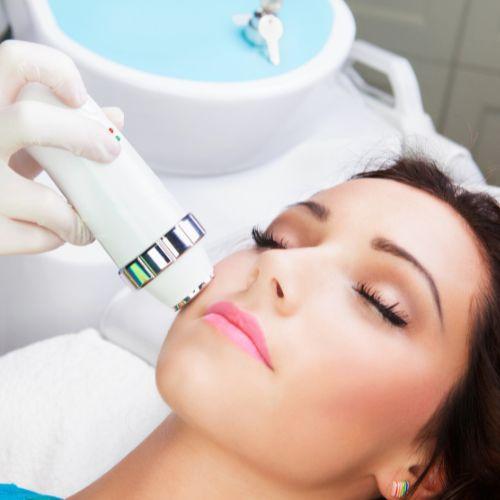
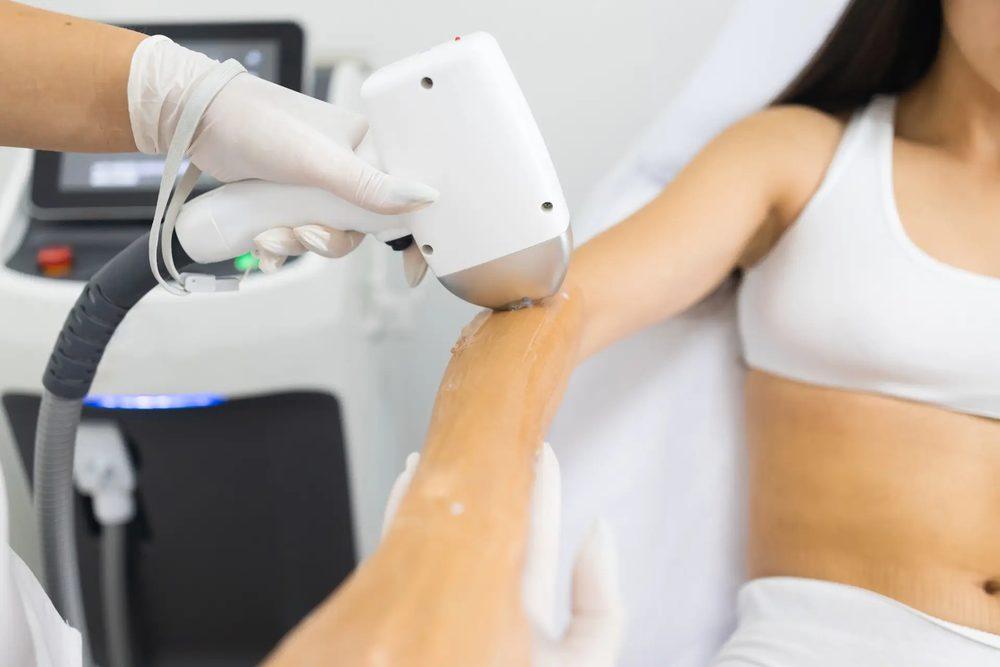
Lasers help in different ways. Fractional CO2 laser creates tiny channels in the keloid, which can help injected or applied medicine reach deeper, a method called laser-assisted drug delivery. Vascular lasers target the blood vessels that make keloids red. Together with intralesional steroid injections, silicone gel and pressure, this can flatten the scar, soften its texture and ease itching over a course of sessions.
Keloids have a real tendency to come back, especially after cutting them out without other treatment. That is why a combined, step-by-step plan is used and follow-up continues even after the scar looks better. In Indian skin, treated areas can also darken or lighten for a time. Dr. Shilpa will explain these risks and what improvement is realistic for you.
The procedure
What happens during the treatment?
- 1
Assessment
Dr. Shilpa examines the keloid, asks about its history and previous treatments, and confirms that it is a keloid and not another growth.
- 2
Numbing
Numbing cream or local anaesthetic is used, as keloids can be tender to treat.
- 3
Laser and injection
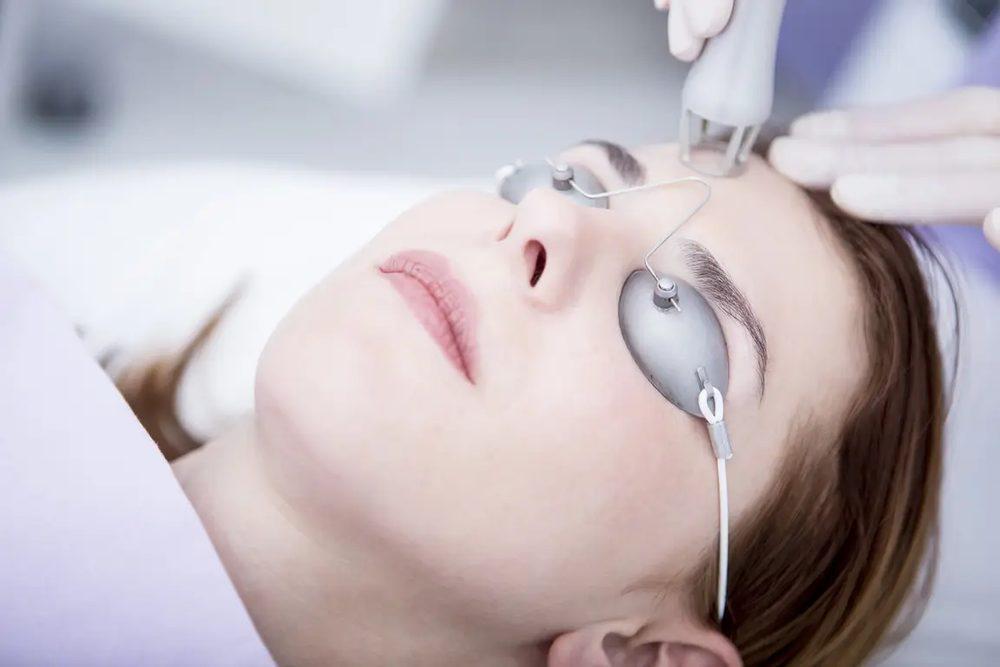
With eye protection, the laser is applied to the keloid. Steroid or other medicine is then injected or applied into the treated tissue.
- 4
Ongoing care
You get silicone gel or sheets and home care advice. Sessions repeat every few weeks, with follow-ups to catch any regrowth early.
Benefits
What are the benefits?
- Helps flatten raised keloids when combined with injections.
- Reduces redness, itching and discomfort in many cases.
- Improves how well injected medicine spreads into the scar.
- Avoids or delays surgery for many keloids.
- Follow-up plan helps lower the chance of regrowth.
Is it right for you?
Laser for keloids suits people with raised, itchy or growing scars who are ready for a course of combined treatment and regular follow-ups. It is not done during pregnancy or over infected skin. If you have keloids at several sites or a family history of them, Dr. Shilpa will also advise you on preventing new ones.
Aftercare
How should you care for your skin afterwards?
- 01Use silicone gel or sheets daily as instructed.
- 02Avoid friction, tight clothing or pressure on the treated keloid.
- 03Protect the area from sun to reduce darkening.
- 04Do not get new piercings or tattoos without asking the doctor.
- 05Keep follow-up appointments even when the keloid looks better.
FAQs
Frequently asked questions
Laser on its own does not usually remove a keloid. Combined with steroid injections, silicone and follow-up care, it can flatten and soften the scar a great deal. Keloids can return, so ongoing monitoring is part of the plan.
This page is for general information and does not replace a medical consultation. Results vary from person to person.