
Overview
What is Skin Discolouration Treatment and who is it for?
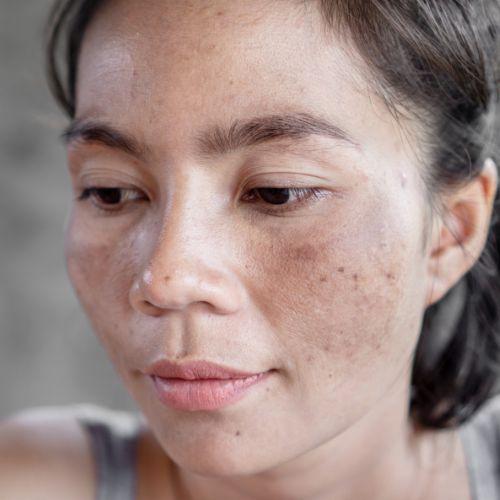
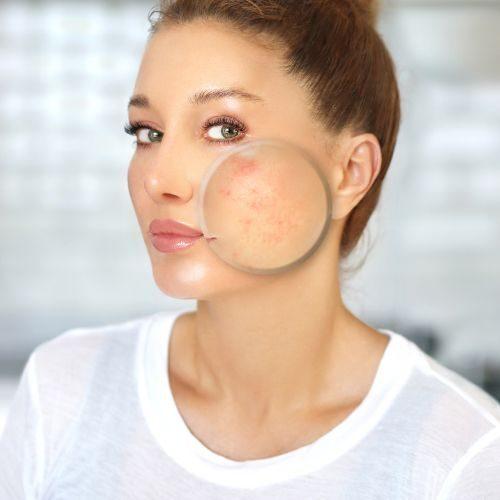
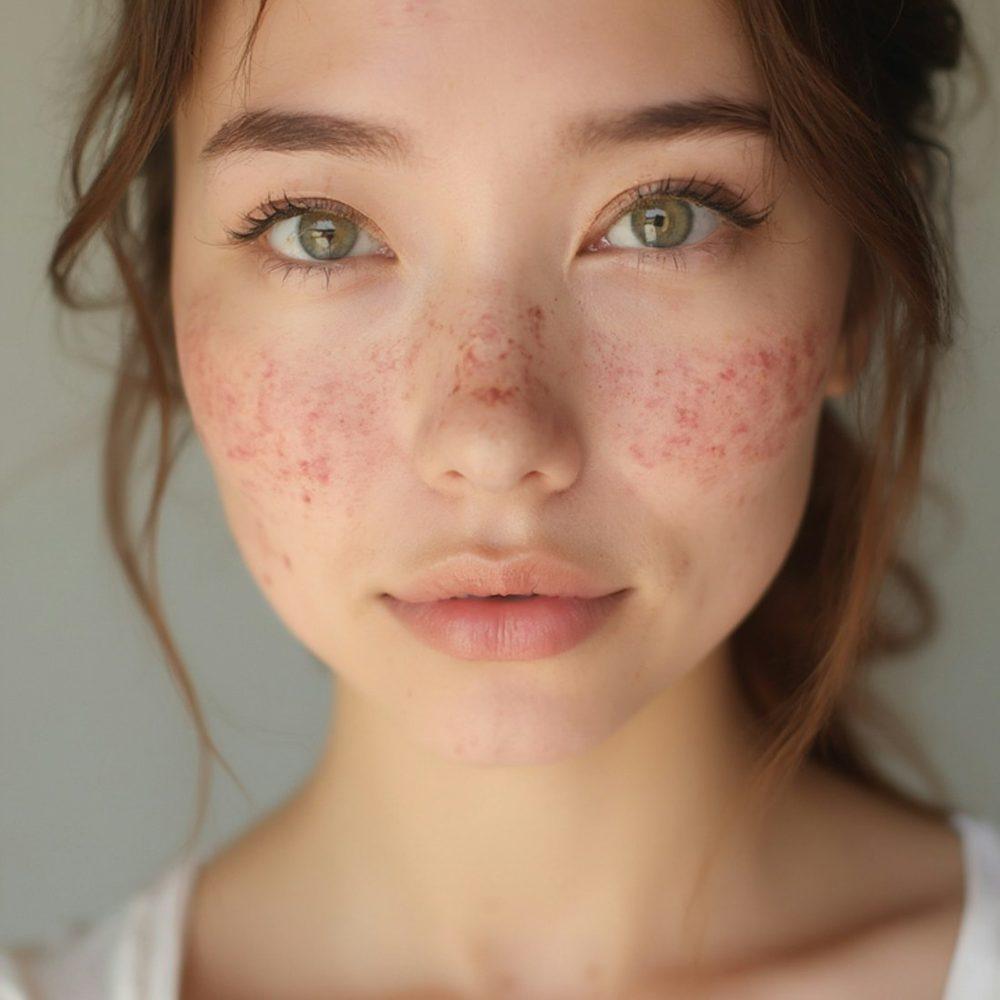
Skin discolouration is a broad term for any area where the colour of your skin looks different from the surrounding skin. Most of the time it is caused by extra melanin, the pigment that gives skin its colour. Sun exposure, friction from clothes, eczema, acne and hormonal changes can all push melanin production up in one area. Some discolouration, such as a dark velvety neck, can also be a sign of insulin resistance and is worth checking properly.
Because the causes differ, there is no single cream that works for everyone. Dr. Shilpa examines the patches, often under a dermatoscope or Wood's lamp, and asks about your health, medicines and skincare. Treatment may combine prescription creams, sun protection, chemical peels and, for selected cases, laser toning. Lighter or white patches are approached differently and may need tests to rule out conditions like vitiligo or fungal infection.
The procedure
What happens during the treatment?
- 1
Consultation and diagnosis
Dr. Shilpa looks at the patches, checks them under magnification and asks about triggers, health conditions and products you use.
- 2
Tests if needed
If a fungal infection, hormonal issue or insulin resistance is suspected, she may suggest a simple skin scraping or blood tests.
- 3
Personalised plan
You get a home routine with prescription creams and sunscreen, plus in-clinic peels or laser sessions if your skin needs them.
- 4
Reviews every few weeks
Progress is checked at follow-up visits and the plan is adjusted so your skin improves without irritation.
Benefits
What are the benefits?
- The cause of the discolouration is identified before any treatment starts.
- Plans are designed for Indian skin, which is more prone to pigment after irritation.
- Home care and clinic procedures are combined so results build steadily.
- Underlying issues such as insulin resistance or infection are not missed.
- Your routine is kept simple enough to follow every day.
Is it right for you?
This treatment suits adults and teenagers with darker patches, tanning, post-pimple marks or uneven tone that has not improved with over-the-counter products. If you have new white patches, a rapidly changing spot or a mole that looks different, book a consultation soon so Dr. Shilpa can examine it before any cosmetic treatment is planned.
Aftercare
How should you care for your skin afterwards?
- 01Apply a broad-spectrum sunscreen every morning and reapply when outdoors.
- 02Avoid scrubbing, bleaching creams or home remedies on treated areas.
- 03Use prescription creams exactly as advised, even when patches start fading.
- 04Keep follow-up visits so the plan can be adjusted in time.
- 05Tell the clinic if you notice burning, redness or new patches.
FAQs
Frequently asked questions
Common causes include sun exposure, friction, healed pimples, eczema, hormonal changes, certain medicines and insulin resistance. Lighter patches can come from fungal infection, vitiligo or past inflammation. Since each cause is treated differently, a proper examination is the first step before choosing creams or procedures.
This page is for general information and does not replace a medical consultation. Results vary from person to person.