
Overview
What is Dermal Fillers and who is it for?
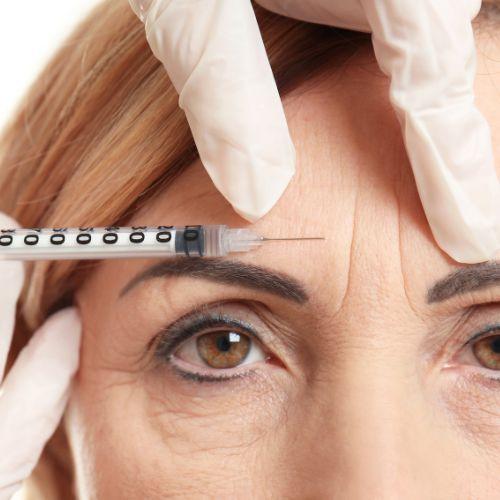
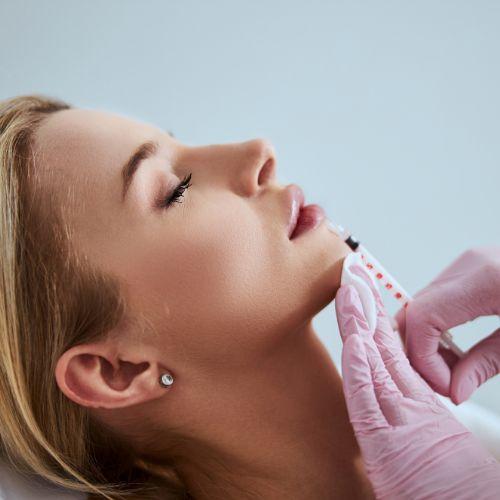
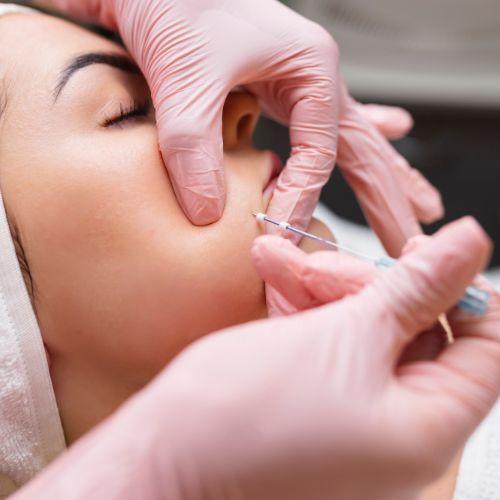
Dermal fillers are soft gels injected under the skin to add volume. The fillers most dermatologists use are made of hyaluronic acid, a sugar molecule your skin already contains, which holds water and gives plumpness. Different gels are made thicker or softer for different jobs: firmer gels for cheekbones and the chin, softer ones for lips and fine areas. Over months, the body slowly breaks the filler down.
Fillers can restore cheek volume, soften the folds from nose to mouth, define lips, fill under-eye hollows, and shape the chin or jawline. They work differently from botulinum toxin. Toxin relaxes muscles that cause expression lines, while filler replaces volume. The two are often used together. Because hyaluronic acid fillers can be dissolved with an enzyme if needed, most dermatologists prefer them for facial work. They also give a soft, natural feel because the gel integrates with your own tissue.
Fillers are a medical procedure. Safe results depend on knowing facial anatomy, especially where blood vessels run, and on choosing the right product and depth. Dr. Shilpa assesses your face as a whole before injecting, since restoring support in one area often improves another. She prefers a gradual approach, and you can always add more at a later visit. Results vary from person to person.
The procedure
What happens during the treatment?
- 1
Facial assessment
Dr. Shilpa studies your face from different angles, discusses what bothers you and explains which areas would benefit, how much filler is likely and what is realistic.
- 2
Numbing and preparation
The skin is cleaned with antiseptic. Numbing cream is applied, and many fillers also contain a local anaesthetic to keep you comfortable.
- 3
Injection
Using a fine needle or a blunt cannula, the filler is placed in small amounts at the right depth, with Dr. Shilpa checking shape and symmetry as she goes.
- 4
Shaping and review
The area is gently moulded. A follow-up visit about two weeks later lets her assess the settled result and make small adjustments.
Benefits
What are the benefits?
- Restores lost volume in the cheeks, under-eyes and temples.
- Softens deep folds such as smile lines and marionette lines.
- Adds shape and hydration to thin or uneven lips.
- Results are visible straight away and settle within two weeks.
- Hyaluronic acid fillers can be dissolved if ever needed.
Is it right for you?
Fillers suit healthy adults with volume loss, deep folds or features they would like to balance, who want a non-surgical, temporary option. They are not given during pregnancy or breastfeeding, over active skin infection or cold sores, or to people with certain autoimmune conditions without careful review. Share your full medical history, previous fillers and any blood-thinning medicines with Dr. Shilpa.
Aftercare
How should you care for your skin afterwards?
- 01Avoid touching or pressing the treated area for 24 hours.
- 02Skip the gym, sauna and alcohol for 24-48 hours.
- 03Use a cold pack gently for swelling if needed.
- 04Avoid facials, massages and dental work for 2 weeks.
- 05Contact the clinic at once if you notice severe pain or skin colour change.
FAQs
Frequently asked questions
Most hyaluronic acid fillers last between six and eighteen months. Lip filler tends to fade sooner because the lips move a lot, while cheek and chin fillers placed deeper often last longer. Your metabolism, the product used and the area treated all affect how long yours lasts.
This page is for general information and does not replace a medical consultation. Results vary from person to person.