
Overview
What is Dandruff Treatment and who is it for?
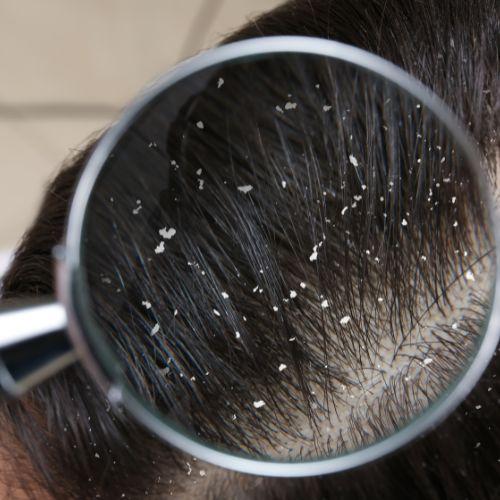
Most dandruff is caused by a yeast called Malassezia that lives on everyone's scalp. In some people it triggers inflammation, which speeds up the shedding of scalp skin and causes flakes, itching and sometimes redness. This is called seborrhoeic dermatitis, and it can also affect the eyebrows, sides of the nose, ears and chest. Humidity, sweat, stress and infrequent washing can make it worse.
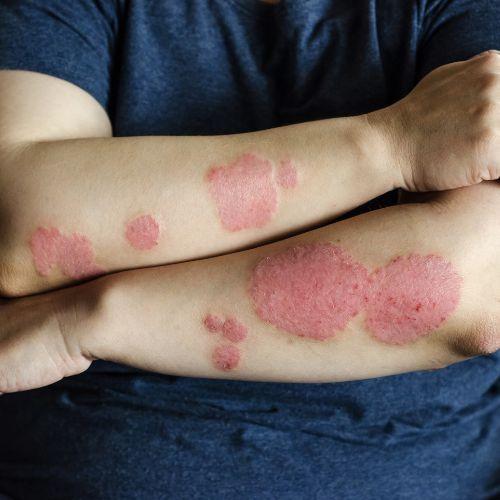
Not every flaky scalp is dandruff. Thick, silvery scales with sharp edges may be psoriasis. Patchy scaling with broken hair, especially in children, can be a fungal infection called tinea capitis. A new itch after hair colour may be contact dermatitis. Each needs different treatment, which is why over-the-counter shampoos sometimes do not help. A short examination usually makes the difference clear.
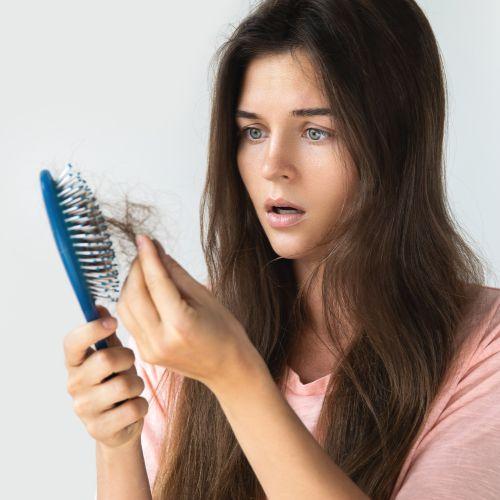
Treatment usually involves medicated shampoos with antifungal or anti-inflammatory ingredients, scalp lotions, and in some cases short courses of stronger creams or oral medicine. Dandruff tends to come back, so Dr. Shilpa also gives you a simple maintenance routine to keep it under control. If dandruff is part of a wider problem, such as hair fall or flaking on the face, these are treated together so you do not need separate plans for each.
The procedure
What happens during the treatment?
- 1
Scalp examination
Dr. Shilpa looks at the type and pattern of flaking and checks other areas like the eyebrows and face.
- 2
Confirming the cause
If needed, a scraping is taken to check for fungus, or the scalp is examined with a dermoscope to tell dandruff from psoriasis.
- 3
Treatment plan
You get medicated shampoos, lotions or tablets as needed, with clear instructions on how often and how long to use each.
- 4
Maintenance routine
Once the scalp settles, a lighter routine is set up to reduce flare-ups, with a review if symptoms return.
Benefits
What are the benefits?
- You find out whether it is dandruff, psoriasis, fungus or a product reaction.
- Prescribed treatment targets the cause instead of only washing away flakes.
- Itching and redness usually settle within a few weeks.
- A maintenance routine helps reduce how often dandruff returns.
- Controlling scalp inflammation can also help if you have hair fall.
Is it right for you?
This is for anyone with flaking, itching or greasy scalp that has not improved with regular anti-dandruff shampoos, or keeps coming back. See a dermatologist sooner if you have thick scales, red patches, hair breaking off, sores on the scalp or flaking that spreads to the face, ears or body.
Aftercare
How should you care for your skin afterwards?
- 01Use medicated shampoos exactly as prescribed, leaving them on for the advised contact time.
- 02Wash your hair regularly, especially after sweating.
- 03Avoid leaving heavy oils on the scalp overnight if your dandruff is oily and yeast-related.
- 04Do not scratch the scalp with nails or combs.
- 05Continue the maintenance shampoo even after the flakes clear, as advised.
FAQs
Frequently asked questions
Dandruff is usually a long-term tendency rather than a one-time problem, so it tends to return. With the right treatment it can be controlled well, and a simple maintenance routine helps keep flare-ups mild and less frequent. Dr. Shilpa will set up a routine that fits your scalp and lifestyle.
This page is for general information and does not replace a medical consultation. Results vary from person to person.