
Overview
What is Psoriasis Treatment and who is it for?
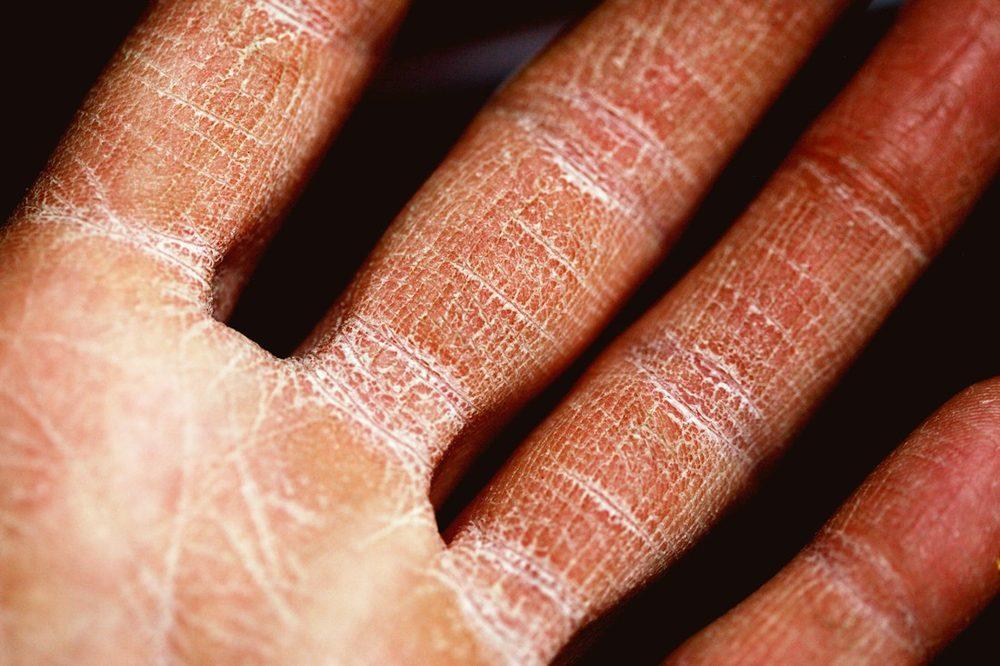
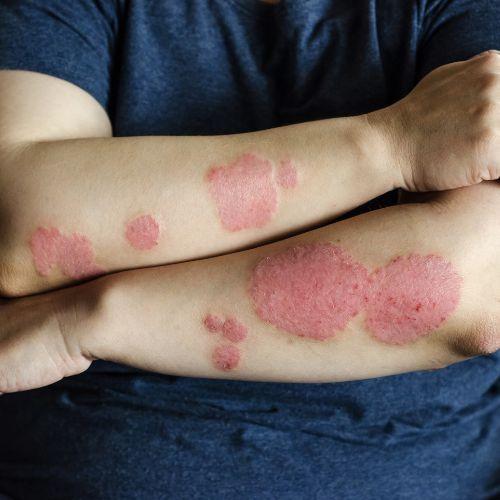
Psoriasis happens when the immune system speeds up the growth of skin cells. Instead of shedding over weeks, cells pile up within days, forming red or dark raised plaques covered with silvery scale. It commonly affects the elbows, knees, scalp and lower back, but can appear anywhere. Stress, infections, smoking, alcohol and some medicines can trigger flares. It is not contagious.
Treatment depends on how much skin is affected and how it impacts your life. Mild psoriasis is usually managed with prescription creams and scalp lotions. Moderate to severe psoriasis may need phototherapy or tablets, with regular blood tests where required. Psoriasis is also linked to joint problems, diabetes and heart health, so Dr. Shilpa looks at your overall health as part of care.
The procedure
What happens during the treatment?
- 1
Assessment
Dr. Shilpa examines the skin, scalp, nails and joints, and estimates how much of your body is affected.
- 2
Tests where needed
Blood tests may be advised before starting certain medicines, or to check for related conditions.
- 3
Treatment plan
You get a combination of creams, scalp treatments and, if needed, phototherapy or oral medicines suited to your severity.
- 4
Ongoing reviews
Regular follow-ups track progress, side effects and flares, and the plan is stepped up or down accordingly.
Benefits
What are the benefits?
- Flares are brought under control with treatment matched to severity.
- Scalp, nail and body psoriasis are all addressed in one plan.
- Medicines are monitored to keep side effects in check.
- Triggers and related health risks are discussed openly.
- You learn how to respond early when a flare starts.
Is it right for you?
This care suits anyone diagnosed with psoriasis or with scaly patches that have not improved with over-the-counter products. It is also important if you have joint pain or nail changes along with skin patches. Pregnant women, people planning pregnancy and those with liver or kidney conditions need a carefully chosen plan, so mention this at your first visit.
Aftercare
How should you care for your skin afterwards?
- 01Moisturise daily, especially after bathing, to soften scale.
- 02Use prescribed creams and scalp lotions consistently.
- 03Avoid picking or scratching plaques, which can trigger new ones.
- 04Limit alcohol and avoid smoking, both of which worsen psoriasis.
- 05Keep scheduled blood tests and follow-ups if you take oral medicines.
FAQs
Frequently asked questions
Psoriasis cannot currently be cured, but it can be controlled very well. Many people reach long periods with few or no visible patches. The goal of treatment is to clear flares, keep them away as long as possible and protect your overall health.
This page is for general information and does not replace a medical consultation. Results vary from person to person.