
Overview
What is Eczema Treatment and who is it for?
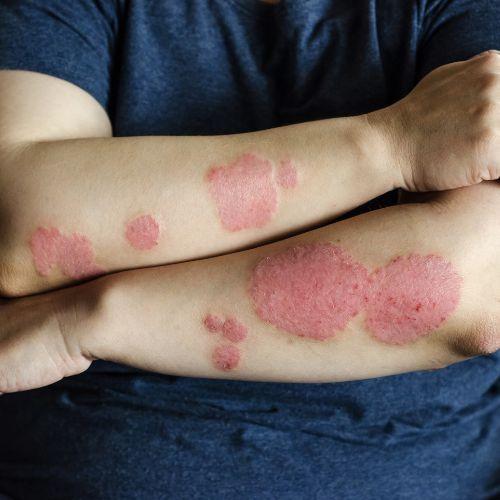
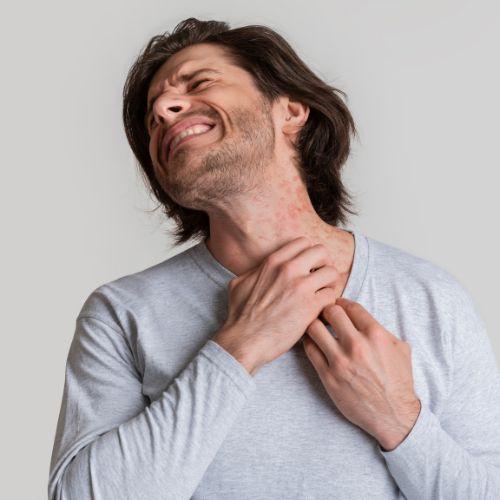
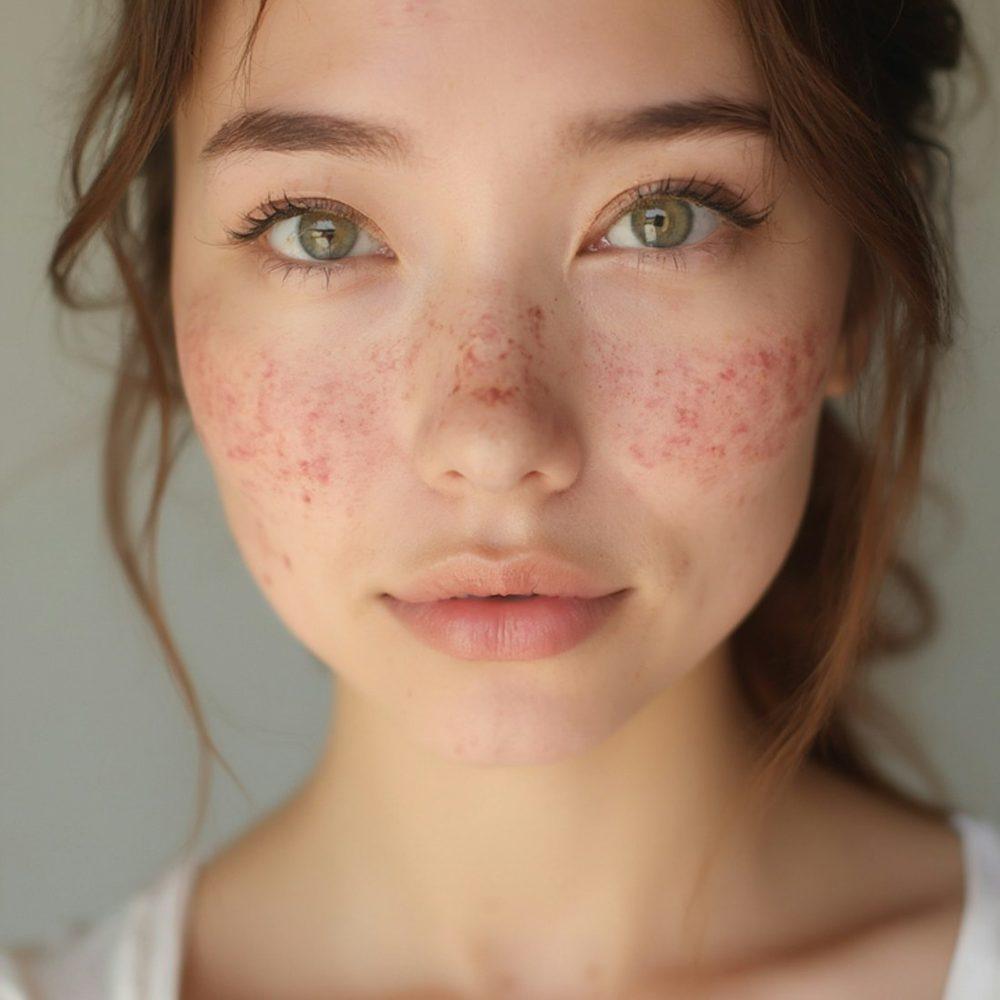
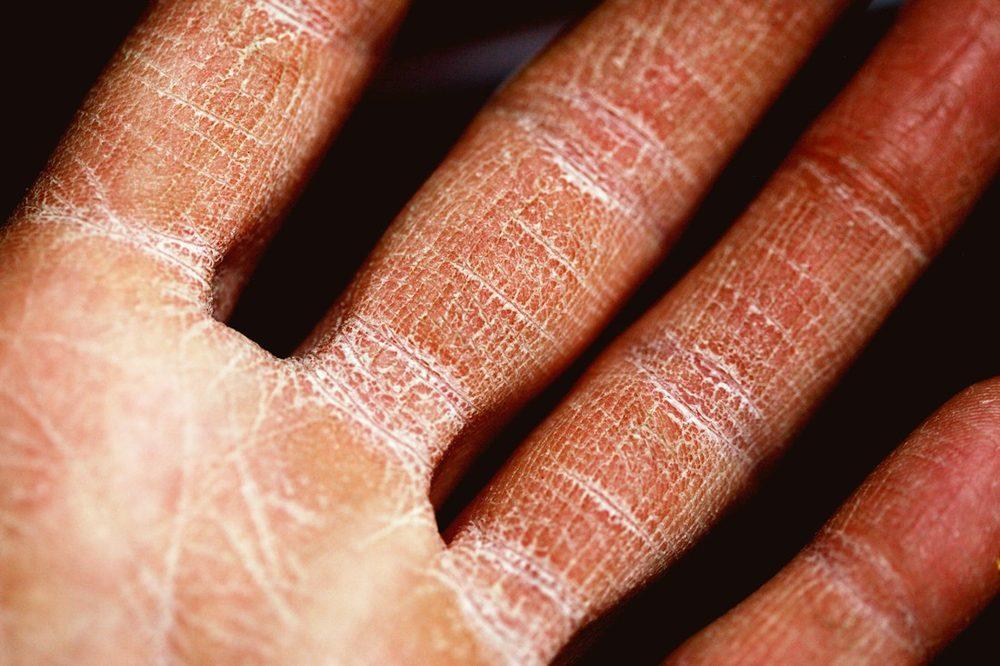
Eczema, also called dermatitis, is a group of conditions where the skin barrier does not hold moisture well and reacts easily to irritants. Atopic eczema often starts in childhood and runs in families with asthma or allergies. Contact dermatitis is triggered by something touching the skin, such as detergents, metals or hair dye. In Bangalore's changing weather and hard water, many people notice their skin flaring at certain times of year.
Treatment works on two fronts. During a flare, prescription creams, and sometimes tablets, settle the inflammation and itch. Between flares, regular moisturising and avoiding triggers help keep the barrier strong. For stubborn cases, phototherapy or newer medicines may be considered. Eczema can be managed well, but it tends to come and go over the years, so regular follow-up visits matter. They let Dr. Shilpa step treatment up during a flare and reduce it safely once your skin settles.
The procedure
What happens during the treatment?
- 1
Detailed history
Dr. Shilpa asks about when the itch started, family history, allergies, soaps, detergents, work exposures and what has been tried before.
- 2
Examination and tests
She examines the affected skin and may suggest patch testing or blood tests if an allergy or infection is suspected.
- 3
Flare treatment
You get prescription creams and, where needed, oral medicines to bring the current flare under control.
- 4
Maintenance plan
A daily moisturising routine and trigger-avoidance plan is set up, with reviews every few weeks to adjust treatment.
Benefits
What are the benefits?
- The type of eczema and its triggers are identified clearly.
- Current flares are settled with appropriate prescription treatment.
- Steroid creams, if used, are prescribed with clear limits for safe use.
- A simple daily routine helps reduce how often flares return.
- Children and adults can both be treated with age-appropriate plans.
Is it right for you?
This care suits children and adults with recurring itchy, dry or inflamed skin, including hand eczema and eczema around the eyes. If your skin is weeping, crusted or painful, it may be infected and should be seen promptly. Eczema is a chronic condition, so it is best for people willing to follow a daily routine and attend reviews.
Aftercare
How should you care for your skin afterwards?
- 01Moisturise at least twice a day, and within a few minutes of bathing.
- 02Use lukewarm water and a mild, soap-free cleanser.
- 03Wear soft cotton clothing and avoid wool or rough fabrics.
- 04Use prescribed creams only for the duration advised.
- 05Keep nails short to reduce damage from scratching.
FAQs
Frequently asked questions
Eczema cannot usually be cured, but it can be controlled well. Many people have long periods with clear or nearly clear skin once they follow a good routine. Some children grow out of it. Dr. Shilpa focuses on reducing flares and helping you manage them quickly when they happen.
This page is for general information and does not replace a medical consultation. Results vary from person to person.