
Overview
What is Vitiligo and who is it for?
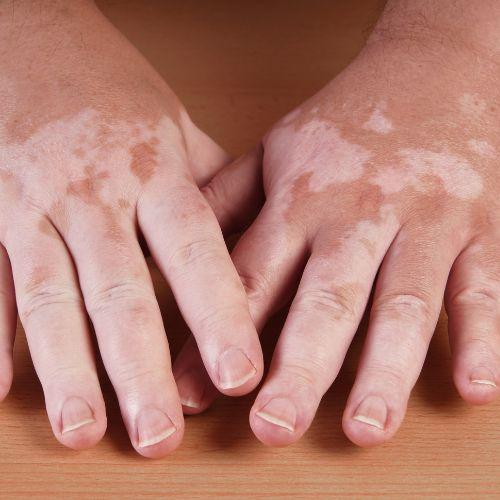
Vitiligo is an autoimmune condition in which the body's immune system attacks melanocytes, the cells that make skin pigment. It can start at any age and may appear on the face, hands, feet, lips or genitals. Some people have a few stable patches for years, while others notice new spots appearing. It is sometimes linked to thyroid problems. Not every white patch is vitiligo, so a proper diagnosis is essential.
Treatment aims first to stop the disease from spreading and then to bring back pigment. Options include prescription creams, short courses of oral medicines, and phototherapy that stimulates pigment cells. For patches that have been stable for some time and have not responded, surgical techniques such as grafting may be considered. Vitiligo is managed, not cured, and response varies by area and person.
The procedure
What happens during the treatment?
- 1
Diagnosis
Dr. Shilpa examines the patches, often under a Wood's lamp, and rules out other causes of white or light skin.
- 2
Activity assessment
She checks whether the vitiligo is spreading or stable, and may suggest thyroid or other blood tests.
- 3
Medical treatment
You start creams, oral medicines or phototherapy depending on how active and widespread the patches are.
- 4
Surgical options if suitable
For patches stable over a long period, procedures like grafting may be discussed as a next step.
Benefits
What are the benefits?
- The diagnosis is confirmed so other causes are not missed.
- Treatment focuses first on stopping new patches from forming.
- Several approaches can be combined to encourage repigmentation.
- Related conditions like thyroid problems are checked.
- You get honest guidance on what to expect for each area.
Is it right for you?
This care suits children and adults with confirmed or suspected vitiligo, whether patches are new, spreading or long-standing. Surgical options are only for stable patches. Pregnant women and young children need tailored treatment choices. Hands, feet and lips often respond more slowly, which Dr. Shilpa will discuss with you.
Aftercare
How should you care for your skin afterwards?
- 01Protect white patches from sunburn with sunscreen and clothing.
- 02Use creams and attend phototherapy exactly as advised.
- 03Avoid injury, friction or tight clothing on patches, which can trigger spread.
- 04Do not stop medicines suddenly without discussing it first.
- 05Keep regular follow-ups so progress can be photographed and reviewed.
FAQs
Frequently asked questions
Vitiligo cannot be cured at present, but it can often be stabilised, and many patients see some colour return with treatment. Response varies widely. The face usually responds better than hands and feet. Dr. Shilpa will explain what is realistic for your patches.
This page is for general information and does not replace a medical consultation. Results vary from person to person.