
Overview
What is Corn Removal and who is it for?
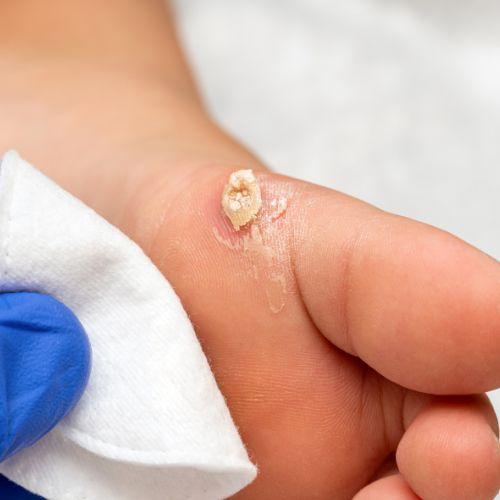
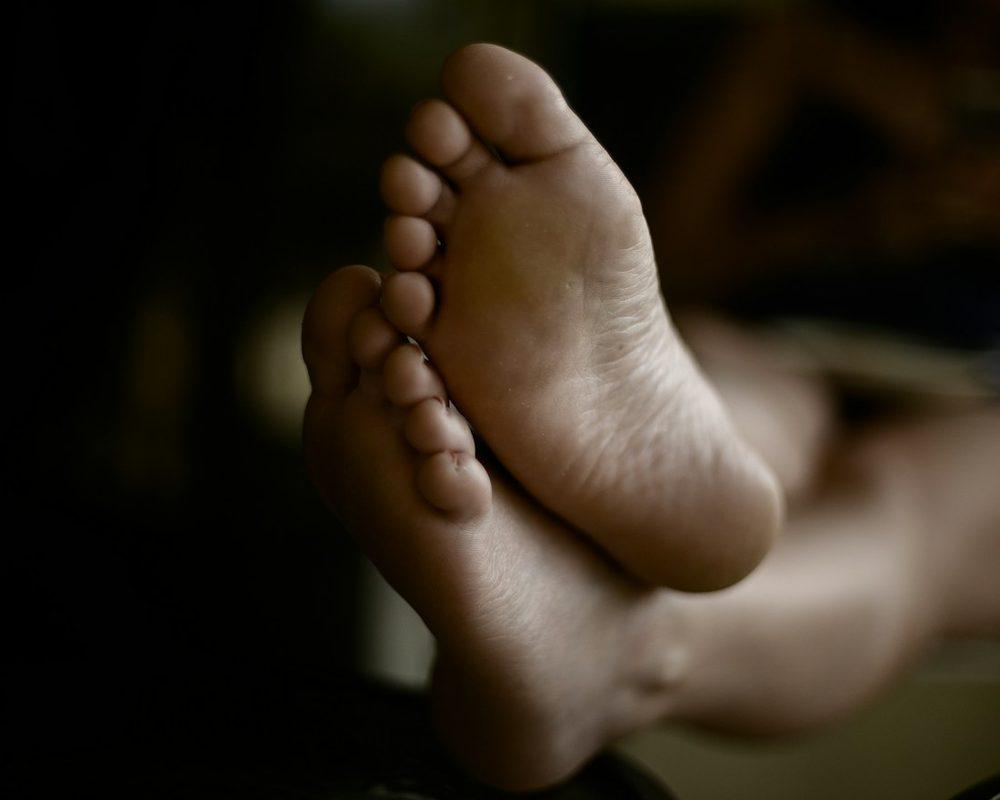
Corns develop when skin is repeatedly pressed or rubbed in the same place, usually on the soles, tops of toes or between toes. The skin thickens to protect itself and forms a hard, cone-shaped core that pushes inwards and hurts when you walk. Tight footwear, high heels, walking barefoot, foot shape and bony prominences all play a role. Warts on the feet can look similar, so a correct diagnosis matters.
In the clinic, the thickened skin and core are carefully pared away, which often gives immediate relief. Deeper or recurrent corns may be treated with chemical agents, radiofrequency or minor surgical removal. Because corns are caused by pressure, they can return if the cause is not addressed. Footwear advice, cushioning and sometimes a check of foot alignment help reduce recurrence.
The procedure
What happens during the treatment?
- 1
Foot examination
Dr. Shilpa examines the corn and your footwear, and confirms it is a corn and not a wart or other lesion.
- 2
Numbing if needed
For deeper corns, a local anaesthetic is used so the procedure is comfortable.
- 3
Removal
The hard skin and central core are removed by paring, radiofrequency or minor excision, depending on the corn.
- 4
Dressing and prevention
The area is dressed, and you get advice on footwear, padding and foot care to help prevent recurrence.
Benefits
What are the benefits?
- Pain from walking is often relieved soon after removal.
- Removal is done safely without the risk of home blades or acids.
- Corns are distinguished from warts, which need different treatment.
- Deeper or recurrent corns have more options than simple paring.
- Practical footwear advice helps lower the chance of new corns.
Is it right for you?
Corn removal suits adults with painful corns on the feet or toes. People with diabetes, poor circulation or numbness in the feet should not treat corns at home and need careful clinic care. Tell Dr. Shilpa if you have any of these conditions or take blood thinners, so the procedure can be planned safely.
Aftercare
How should you care for your skin afterwards?
- 01Keep the dressing clean and dry as advised.
- 02Wear soft, well-fitting footwear with enough toe room.
- 03Use corn pads or cushioning only as recommended.
- 04Avoid walking barefoot on hard surfaces.
- 05Watch for redness, swelling or pus and contact the clinic if they appear.
FAQs
Frequently asked questions
Paring a corn usually causes little or no pain because the thickened outer skin has no nerve endings. For deeper corns, a local anaesthetic is used first. Mild tenderness for a few days afterwards is normal and usually settles with rest.
This page is for general information and does not replace a medical consultation. Results vary from person to person.