
Overview
What is Wart Removal and who is it for?
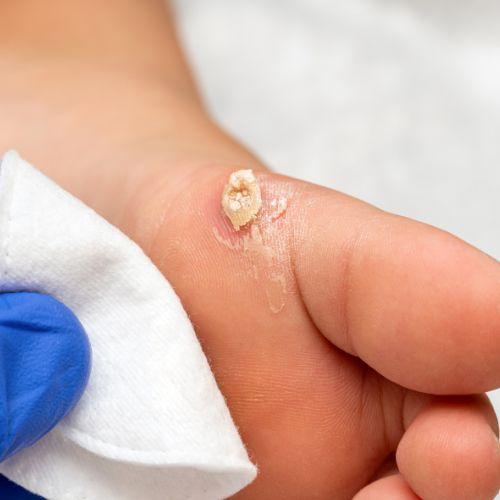
Warts are small, rough growths caused by human papillomavirus, or HPV, infecting the top layer of skin. They often appear on the hands, fingers, feet, face and neck. Plantar warts on the soles can be painful because they grow inward under body weight. Flat warts are smooth and appear in clusters, often on the face or after shaving. Warts spread through direct contact and shared surfaces.
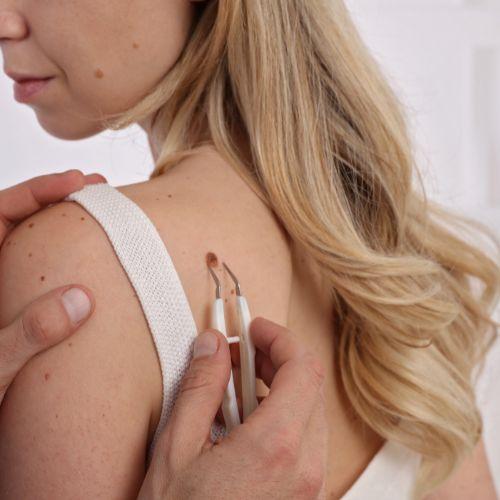
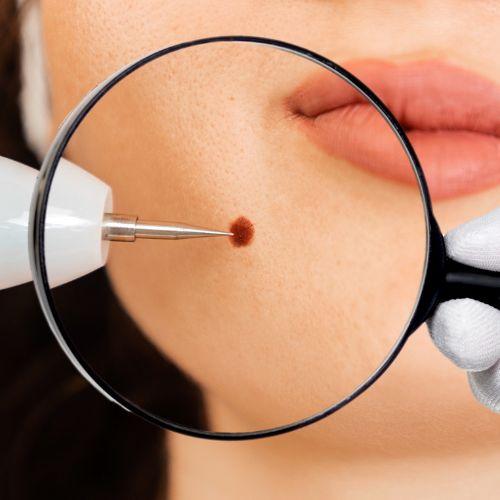
Some warts fade on their own, but this can take months or years, and they may spread in the meantime. Clinic treatment removes the visible wart and the infected tissue. Radiofrequency or electrocautery burns the wart away, cryotherapy freezes it with liquid nitrogen, and laser vaporises it with precision. Topical treatments are sometimes used for many small flat warts or for children.
Because the virus can remain in the surrounding skin, warts sometimes return or new ones appear, and a second session may be needed. Dr. Shilpa will examine each wart, rule out other growths that can look similar, and choose the method that balances quick clearance with good healing for that area. Warts on the face, around the nails and on the soles each need a slightly different approach.
The procedure
What happens during the treatment?
- 1
Diagnosis
Dr. Shilpa examines the growths to confirm they are warts and not corns, moles or other lesions, and checks how many there are.
- 2
Local numbing
The area is cleaned and numbed with an anaesthetic cream or a small injection, depending on size and location.
- 3
Removal
The wart is removed with radiofrequency cautery, cryotherapy or laser. Each wart typically takes a few minutes.
- 4
Dressing and review
An antibiotic ointment and dressing are applied. A review visit checks healing and treats any remaining or new warts.
Benefits
What are the benefits?
- Most warts are removed in a single short visit.
- Method is chosen to suit the wart type and body area.
- Removing warts early reduces spread to other areas and to family members.
- Local numbing keeps the procedure comfortable.
- A dermatologist confirms the diagnosis before anything is removed.
Is it right for you?
Wart removal suits adults and children with common, flat, plantar or filiform warts. People with diabetes, poor circulation or a weak immune system need extra care, especially for warts on the feet. Genital warts and warts in unusual locations are assessed separately. Tell Dr. Shilpa if you take blood thinners or have a pacemaker.
Aftercare
How should you care for your skin afterwards?
- 01Keep the treated area clean and dry for 24 hours.
- 02Apply the prescribed ointment until the scab falls off on its own.
- 03Do not pick at the scab, as this can cause scarring.
- 04Avoid sharing towels, razors and footwear to prevent spread.
- 05Wear comfortable footwear if plantar warts were treated.
FAQs
Frequently asked questions
The area is numbed first, so most people feel only a brief sting from the injection or cold from cryotherapy. After the numbing wears off, there may be mild soreness for a day or two, which usually settles with simple care.
This page is for general information and does not replace a medical consultation. Results vary from person to person.