
Overview
What is Skin Tag Removal and who is it for?
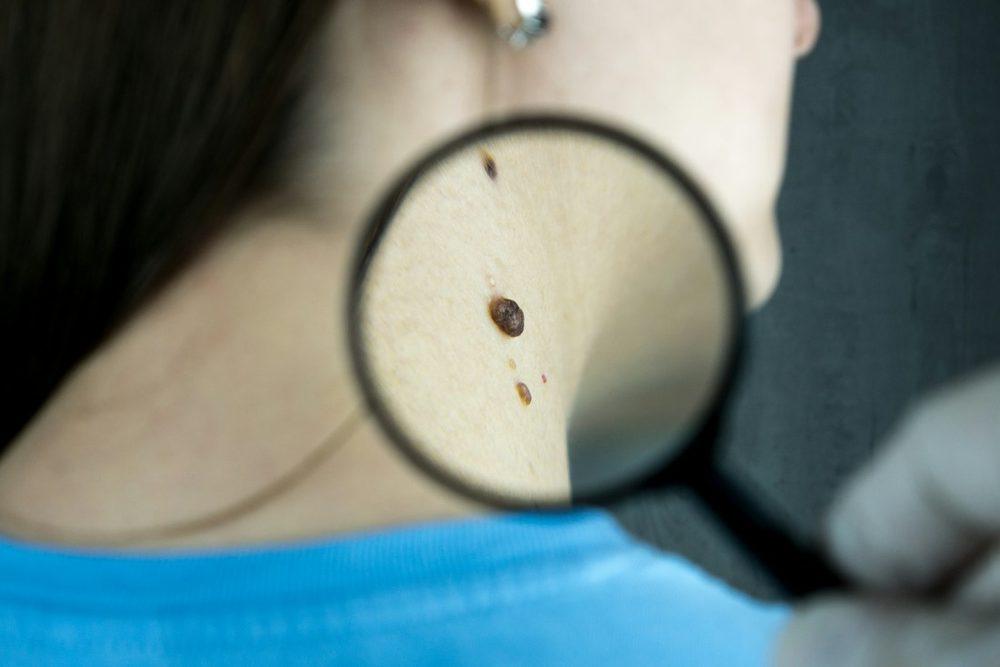
Skin tags, or acrochordons, are small flaps of skin attached by a thin stalk. They are made of normal skin tissue and are not cancerous. They often form in areas where skin rubs against skin or clothing, such as the neck, underarms, groin and under the breasts. They are more common with weight gain, diabetes, pregnancy and PCOD, and can run in families.
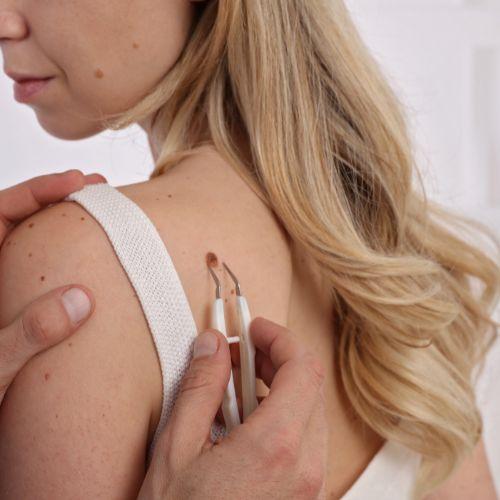
Removal is a simple procedure. After a numbing cream or small injection, each tag is removed at its base using radiofrequency cautery or fine surgical scissors. Radiofrequency seals small blood vessels as it works, so bleeding is minimal. Many tags can be removed in one sitting, and you can go back to normal work the same day. Cutting or tying off tags at home risks infection, bleeding and scarring.
Once removed, a tag does not grow back in the same spot, but new tags can appear elsewhere over time. If you have many tags, Dr. Shilpa may suggest a check for blood sugar or other related conditions. Growths that look unusual are examined before removal to make sure they are skin tags and not warts, moles or something else.
The procedure
What happens during the treatment?
- 1
Examination
Dr. Shilpa confirms the growths are skin tags and counts the ones to be removed in that session.
- 2
Numbing
A numbing cream is applied, or a small anaesthetic injection is used for larger tags.
- 3
Removal
Each tag is removed at its base with radiofrequency or fine scissors. Most tags take seconds each.
- 4
Aftercare
An antibiotic ointment is applied, and you are told how to care for the small marks until they heal.
Benefits
What are the benefits?
- Most tags are removed in a single short visit.
- Numbing keeps the procedure comfortable.
- Radiofrequency seals blood vessels, so bleeding is minimal.
- Tags near the eyes can be removed with fine, careful technique.
- A dermatologist confirms the diagnosis before removal.
Is it right for you?
Skin tag removal suits adults with tags on the neck, underarms, eyelids, groin or body. If you have many tags, a blood sugar check may be advised. During pregnancy, removal is usually postponed unless a tag is troublesome. Tell Dr. Shilpa if you have a pacemaker, take blood thinners or form keloids.
Aftercare
How should you care for your skin afterwards?
- 01Apply the prescribed ointment twice a day until the scabs fall off.
- 02Avoid rubbing the area with tight collars, chains or straps.
- 03Do not pick at the small scabs.
- 04Use sunscreen on exposed areas to reduce dark marks.
- 05Keep the area clean and dry, especially in skin folds.
FAQs
Frequently asked questions
Most people feel very little because the area is numbed first. Small tags often need only a numbing cream. You may feel slight warmth or a quick pinch. Any soreness afterwards is mild and settles within a day or two.
This page is for general information and does not replace a medical consultation. Results vary from person to person.