
Overview
What is Laser for Stretch Marks and who is it for?
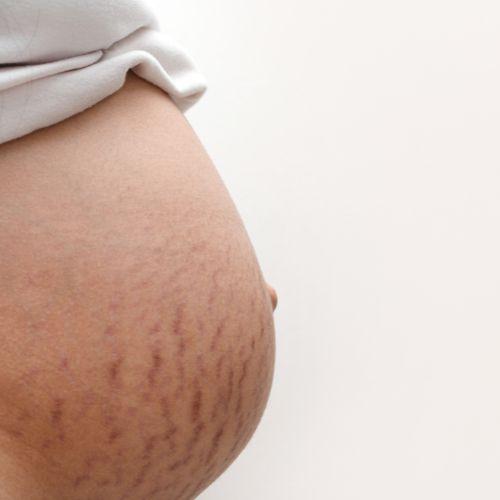
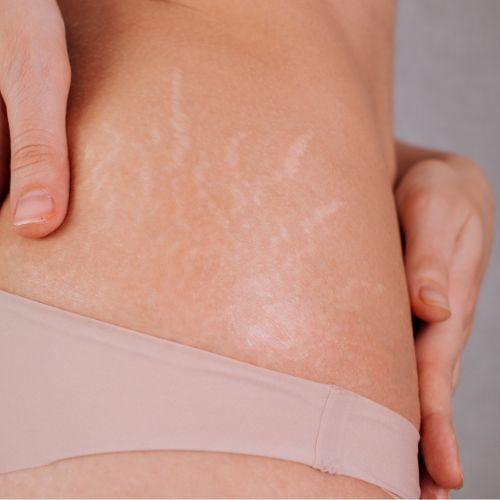
Stretch marks, or striae, form when the skin stretches faster than its collagen and elastic fibres can keep up, causing tears in the deeper layer. Early marks look red, pink or purple and are still active. Over months they mature into pale, silvery or slightly dented lines. Newer marks generally respond better to treatment than older white ones, which is why it helps to start early.
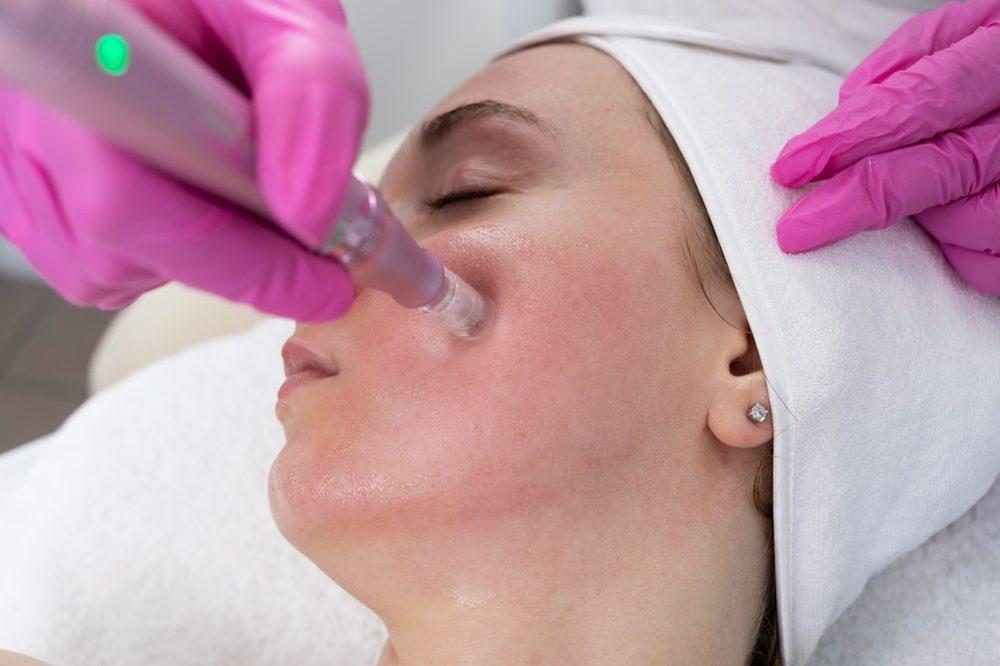
Fractional lasers create tiny columns of controlled injury in a grid. The skin heals these by laying down new collagen and elastin, which helps the stretch marks look flatter, narrower and closer to the surrounding skin. Ablative fractional CO2 works deeper, while non-ablative fractional lasers are gentler. Laser is often combined with microneedling, radiofrequency or PRP, which can add to the collagen response and give better overall results.
Stretch marks rarely disappear completely. The aim is a clear improvement in how they look and feel. In Indian skin, marks may already be darker than the skin around them, and laser can cause temporary darkening if not planned carefully. Dr. Shilpa chooses conservative settings, spaces sessions out and may prescribe creams before and after treatment to reduce this risk. Sun protection on exposed areas also helps.
The procedure
What happens during the treatment?
- 1
Assessment
Dr. Shilpa looks at the age, colour and depth of your stretch marks and checks for pregnancy, breastfeeding or skin conditions.
- 2
Numbing
Numbing cream is applied to the area for 45-60 minutes, depending on the laser and the size of the area.
- 3
Fractional laser
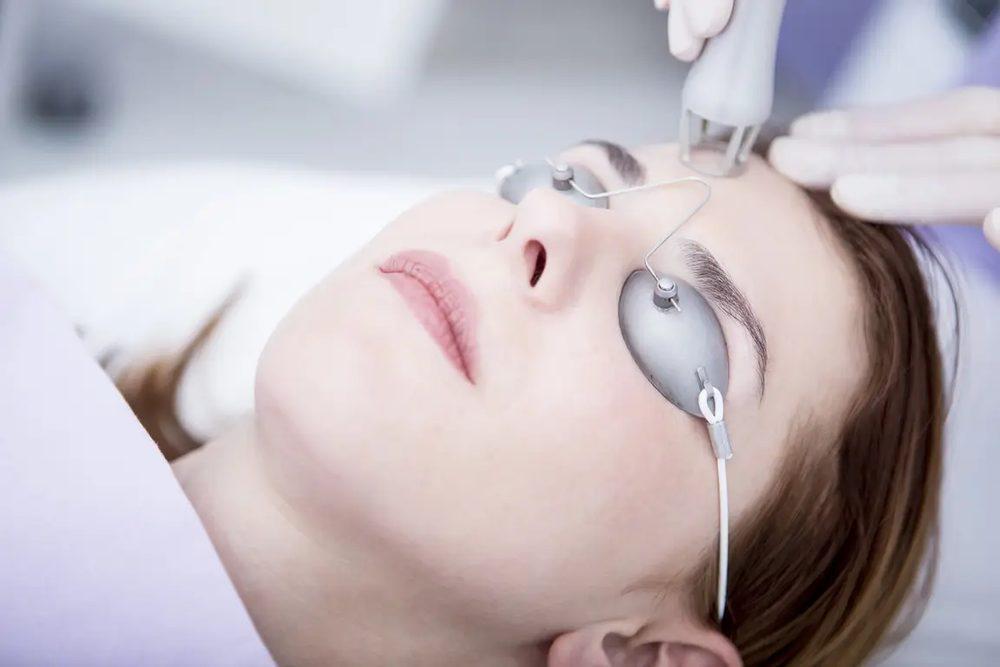
With eye protection on, the laser is passed over the marks. You feel heat and pricking; the skin looks red right after.
- 4
Recovery
Soothing cream is applied. Redness and fine crusting usually settle in 3-7 days, and the next session is planned weeks later.
Benefits
What are the benefits?
- Stimulates new collagen in and around the stretch marks.
- Helps marks look flatter, narrower and less shiny.
- Can improve both newer red marks and older white marks.
- Can be combined with microneedling or PRP for added benefit.
- Settings are adjusted for Indian skin to reduce pigmentation risk.
Is it right for you?
Laser suits adults with stretch marks on the abdomen, thighs, hips, arms or breasts who want a visible improvement and understand that marks will soften rather than vanish. It is not done during pregnancy, and it is best started after breastfeeding ends. Active skin infection, a fresh tan or a keloid tendency should be discussed first.
Aftercare
How should you care for your skin afterwards?
- 01Apply the prescribed moisturiser or healing cream twice a day.
- 02Wear loose, soft clothing over the area for a few days.
- 03Avoid hot showers, swimming and heavy workouts for 48 hours.
- 04Do not scratch or pick at any crusts.
- 05Protect exposed treated areas from the sun.
FAQs
Frequently asked questions
No treatment removes stretch marks completely. Laser can make them softer, flatter and less visible, and many people are pleased with the change. Results vary with the age and depth of the marks, so Dr. Shilpa will set realistic expectations after examining them.
This page is for general information and does not replace a medical consultation. Results vary from person to person.